


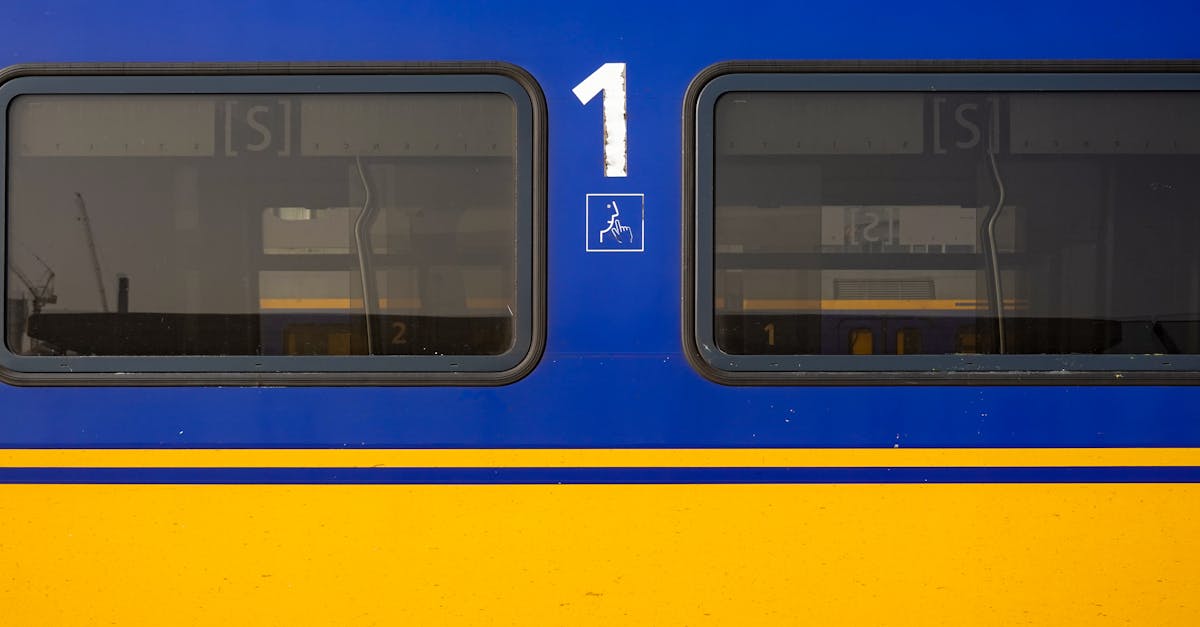
A seismic shift is underway in the global transportation sector, as technology firms pour massive investment into decarbonizing rail networks, declaring the effort “the big one.” This push is fundamentally altering the landscape for railway operators, offering innovative electric solutions that challenge the long-standing reliance on traditional overhead wire infrastructure, including the radical possibility of eliminating heavy diesel locomotives altogether.
Disrupting Traditional Rail Power
For decades, rail operators seeking to transition to electric power faced a binary and often costly choice: full overhead wire electrification—a massive infrastructure undertaking—or reliance on hybrid diesel-electric systems. The new wave of innovation introduces viable alternatives centered on advanced battery technology and distributed power systems.
These emerging solutions are enabling operators to explore flexible electrification models. For instance, the battery-electric solution being trialed by Great Western Rail (GWR) reportedly utilizes approximately 500 kWh of onboard battery capacity. Crucially, this system is supplemented by strategic trackside battery banks, allowing trains to recharge rapidly at stations or specific track segments without requiring continuous, expensive overhead catenary across the entire route. This distributed power model promises greater operational flexibility and reduced capital expenditure compared to full line electrification projects.
The Energy Consumption Hurdle
While the technological advancements are promising, the sheer energy demand of heavy rail operations presents a significant logistical and sourcing hurdle. Industry analysis suggests that heavy, low-speed electric passenger rail requires substantial power, estimated to be between 15 and 30 kWh per mile. Meeting this intensive demand requires robust and reliable energy sourcing that can handle peak loads across vast networks.
Experts caution that relying solely on decentralized renewable sources, such as solar power, may be insufficient to meet the operational needs of high-volume rail networks. The consensus among engineers is that the scale of power required necessitates comprehensive grid integration and large-scale storage solutions to ensure consistent service delivery, especially for freight and long-distance passenger routes.
The Race for Scalability
The intense focus on rail electrification underscores the industry’s commitment to achieving net-zero targets and securing future operational resilience against fluctuating fossil fuel prices. Tech firms are betting that the efficiency and environmental benefits of battery-electric systems will outweigh the initial complexity of building out the necessary trackside charging infrastructure.
The success of these new battery-centric models hinges on overcoming complex energy storage logistics and ensuring that the necessary power infrastructure—both onboard and trackside—can handle the rigorous demands of modern passenger and freight services. The race is now on to scale these pilot projects into viable, global standards that can truly replace the legacy diesel fleet.

