


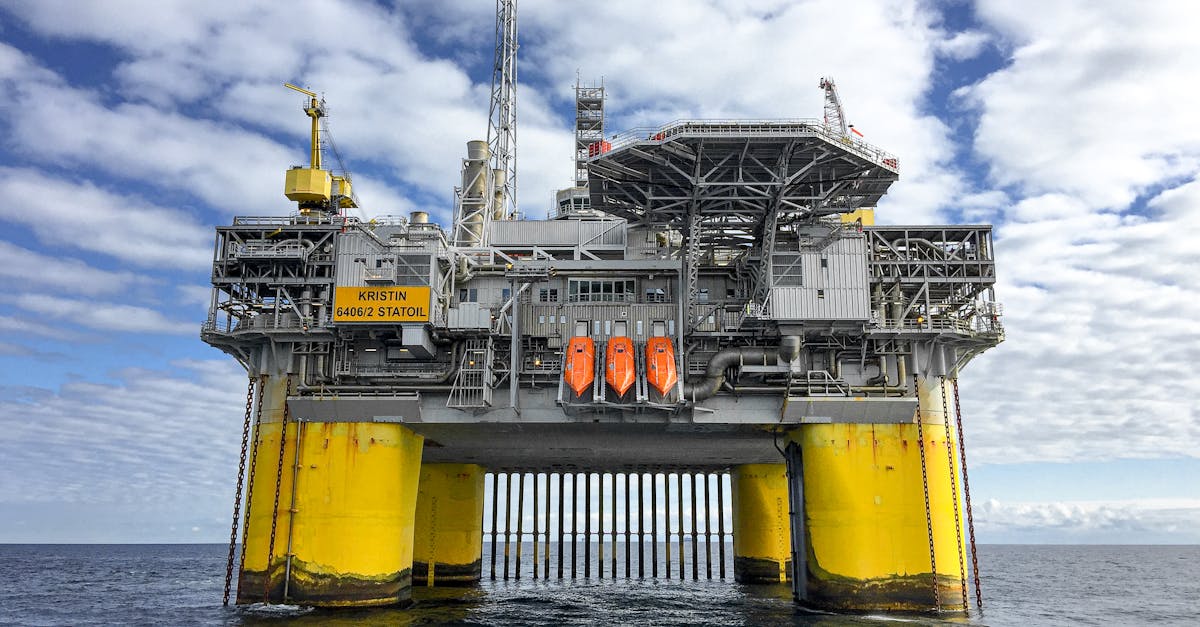
In a pioneering step for climate mitigation, an abandoned North Sea oilfield located hundreds of kilometres off Denmark’s coast is now being used to sequester carbon dioxide (CO₂) from industrial sources. The venture, known as the Northern Lights project, marks the world’s first fully commercial offshore carbon‑storage service.
How the Project Works
Operated by a consortium led by Norway’s Equinor, together with Shell and TotalEnergies, the facility captures CO₂ from power plants and heavy‑industry emitters, liquefies it and transports it by ship to a terminal on the Norwegian coast. From there, the gas is piped to the decommissioned oil reservoir beneath the seabed, where it is injected into porous rock formations at depths of around 2,000 metres.
Milestones and Scale
The first batch of CO₂ was injected in August 2023, and the project is now scaling up to accommodate up to 1.5 million tonnes of carbon per year – enough to offset the annual emissions of roughly 300,000 European households. By 2030, the consortium aims to double capacity, positioning the site as a cornerstone of Europe’s emerging carbon‑capture‑and‑storage (CCS) network.
Strategic Importance
With the European Union tightening emissions targets and the International Energy Agency urging rapid deployment of CCS to meet the 1.5°C climate goal, the Northern Lights hub offers a tangible pathway for industries that are difficult to decarbonise, such as cement, steel and chemicals. The project also demonstrates the viability of repurposing mature offshore infrastructure, extending the economic life of decommissioned fields while delivering climate benefits.
Challenges and Outlook
Despite its promise, the initiative faces hurdles, including the high cost of capture and transport, regulatory harmonisation across borders, and the need for robust monitoring to ensure long‑term storage integrity. Nonetheless, early performance data indicate that the injected CO₂ remains securely trapped, bolstering confidence among potential users.
Global Implications
As the first commercial offshore CCS facility, Northern Lights sets a precedent for similar projects worldwide, from the United States Gulf Coast to the Asian Pacific region. Its success could accelerate the rollout of a global carbon‑storage market, providing a critical tool for nations striving to meet net‑zero commitments.

