


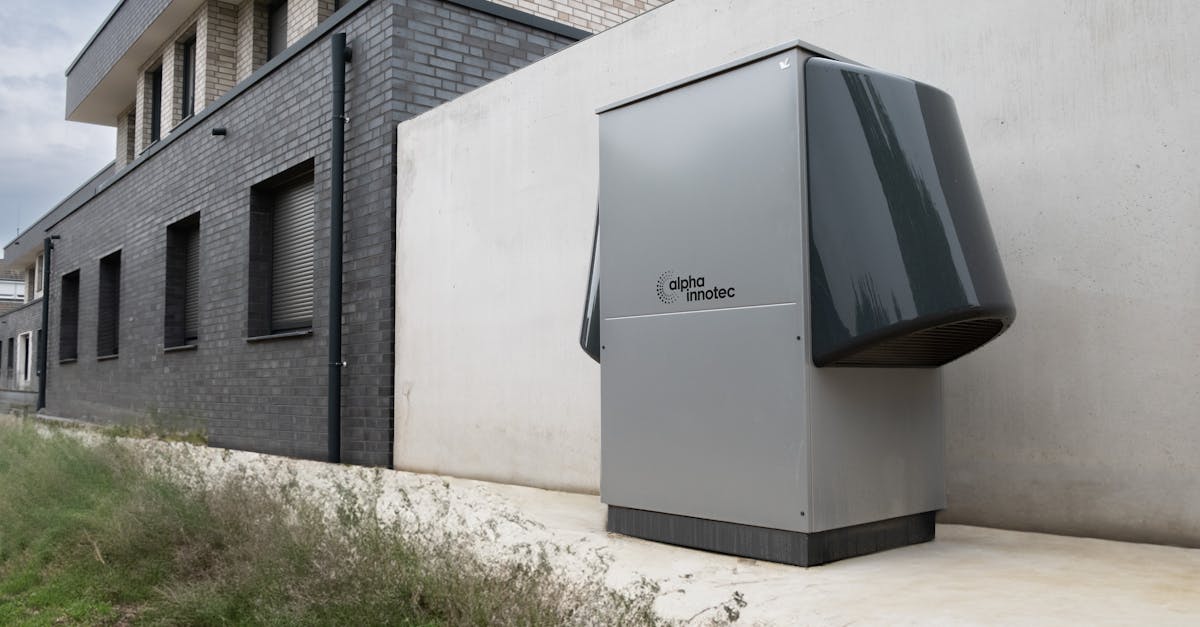
Europe is witnessing a significant shift in its approach to sustainable heating, with the installation of some of the world’s largest heat pumps poised to warm tens of thousands of homes. These colossal units, each boasting a formidable capacity of 82.5 megawatts, are being integrated into district heating systems, promising a cleaner and more efficient alternative to traditional fossil fuels.
Powering Thousands of Homes
Two such powerful heat pumps are set to supply a combined capacity sufficient to meet the heating needs of approximately 40,000 households. This ambitious undertaking, spearheaded by energy provider MVV Energie, is part of a broader strategy to transition away from coal-fired power generation. The new heat pumps will be situated on the site of a former coal facility, marking a symbolic and practical step towards decarbonization.
Efficiency and Economic Considerations
Heat pumps, in general, are recognized for their superior energy efficiency compared to gas-fired heating systems. They operate by transferring heat from a source, such as ambient air, water, or the ground, to a building, requiring significantly less energy input than generating heat directly from combustion. However, while the operational efficiency is a clear advantage, the initial investment and ongoing operating costs for these large-scale systems can still be higher than conventional gas heating, a point frequently discussed among energy experts and the public.
A Glimpse into the Future of Urban Heating
The deployment of these mega heat pumps represents a major leap forward in the scalability of renewable heating solutions for urban environments. By leveraging existing district heating infrastructure, these installations can efficiently distribute low-carbon heat across wide areas, contributing significantly to Europe’s climate goals and reducing reliance on fossil fuels for residential and commercial heating.

