


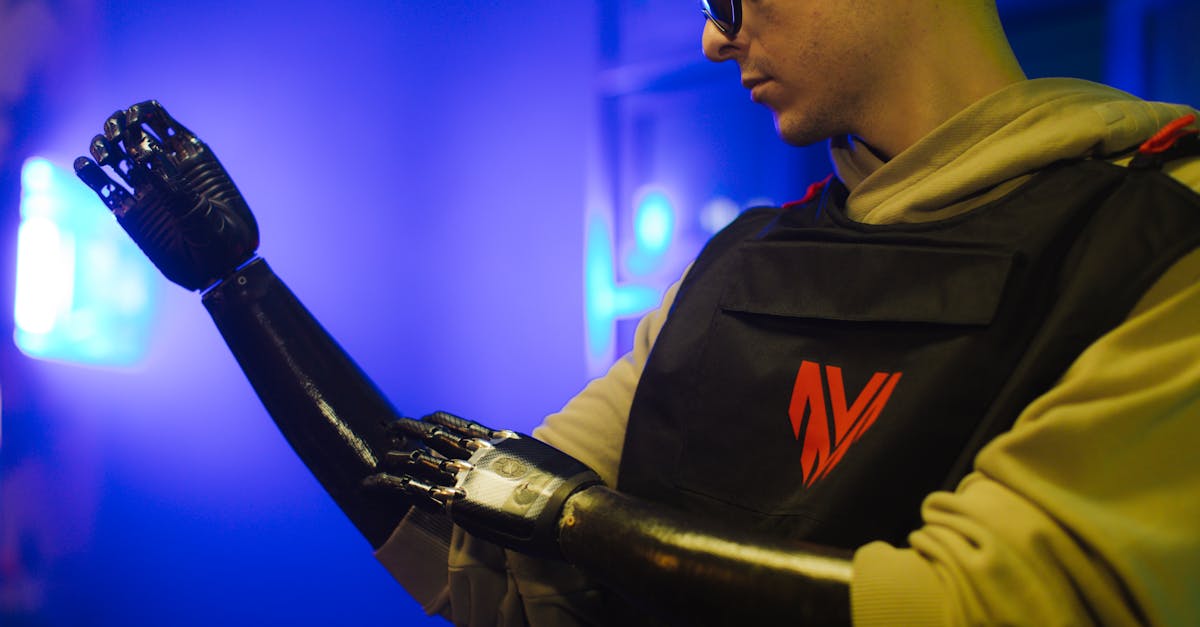
The Consumer Electronics Show (CES) has returned to Las Vegas for its 2026 iteration, serving as the definitive global launchpad for the next generation of consumer technology. This year’s exhibition has solidified its reputation as the epicenter of innovation, showcasing advancements that promise to fundamentally alter daily life, from sophisticated robotics and personal autonomous vehicles to highly immersive virtual reality experiences.
The Ascent of Advanced Robotics
The robotics sector proved to be one of the most compelling and future-forward areas of the show. High-level engineering breakthroughs were demonstrated by industry leaders, most notably Boston Dynamics, which once again captivated attendees with demonstrations of its humanoid robot, Atlas. The display highlighted significant leaps in dexterity, balance, and autonomous navigation, signaling the rapid maturation of general-purpose robotics.
Complementing these industrial and research breakthroughs were consumer-focused innovations designed for the smart home. Devices such as the Beatbot RoboTurtle were introduced, signaling the increasing integration of sophisticated, specialized robotic assistants into the family and domestic environment, moving beyond simple vacuuming to complex, interactive tasks.
Immersive Experiences and Visual Fidelity
Virtual Reality (VR) and high-definition display technologies were central to the show’s narrative, with exhibitors unveiling what they termed “groundbreaking VR tech.” These new systems are designed to push the boundaries of realism and interaction, promising new applications across gaming, professional training, and remote collaboration that move far beyond current consumer standards.
In the realm of visual entertainment, display technology reached new peaks of fidelity. The Xgimi Titan Noir Max 4K was a standout product, setting a new benchmark for ultra-high-definition projection quality and brightness, underscoring the industry’s commitment to delivering cinema-grade experiences directly into the home.
Smart Mobility and Connected Ecosystems
The concept of personal mobility saw radical transformation at CES 2026. While autonomous vehicle technology has been a staple of the show for years, this iteration featured several prototypes of personal self-driving cars, moving advanced automation closer to individual ownership and daily commuting. These vehicles promise to integrate seamlessly into the broader smart city infrastructure.
Furthermore, the underlying connectivity and power infrastructure supporting these smart ecosystems were heavily featured. Companies like Ugreen and Wolfbox showcased robust solutions, emphasizing rapid charging standards, seamless data transfer protocols, and integrated vehicle accessories essential for maintaining the functionality of a fully connected future.

