


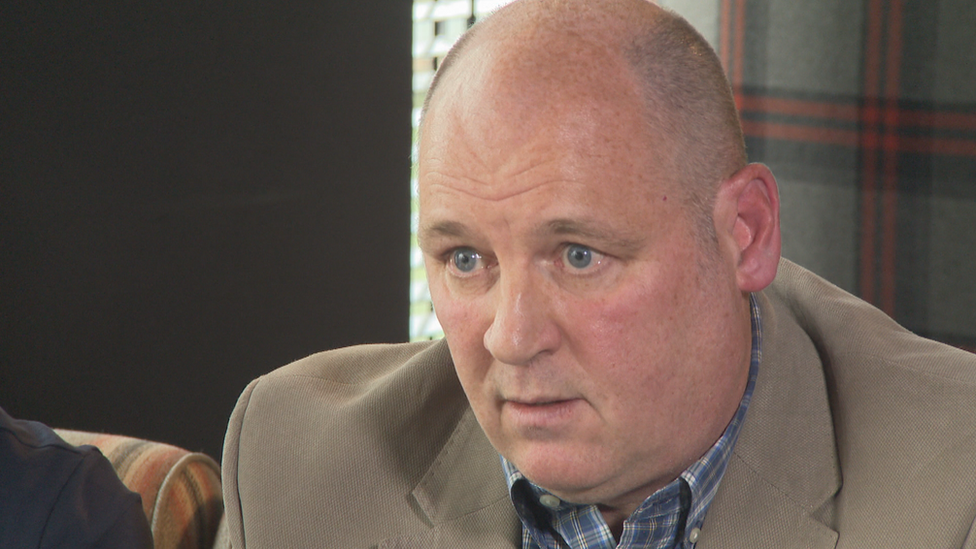
John Cuddihy, whose 23‑year‑old daughter Molly died from a bloodstream infection while receiving treatment for cancer at Queen Elizabeth University Hospital, has warned that Scottish cancer patients have been cautioned for years about the dangers posed by contaminated hospital water. He told BBC Scotland that his daughter’s tragic experience must “continue to echo beyond her lifetime” as a catalyst for systemic change.
Background
Molly Cuddihy was undergoing intensive chemotherapy when she contracted a severe infection caused by the water‑borne bacterium *Pseudomonas aeruginosa*. An internal review by NHS Greater Glasgow and Clyde later acknowledged that a flaw in the hospital’s water distribution system “probably” contributed to the infection that led to her death.
Investigations into the hospital’s water infrastructure have revealed longstanding concerns about biofilm formation and inadequate disinfection protocols. Similar outbreaks have been reported in other UK hospitals, prompting calls for nationwide scrutiny of water safety in clinical settings.
Family’s Appeal
Speaking on behalf of his family, John Cuddihy emphasized that warnings about water‑related infections have been circulating among patients and advocacy groups for years, yet decisive action remained elusive. “We were told to be vigilant, but the system itself was unsafe,” he said. “Molly’s story should not be an isolated tragedy; it must drive reforms that protect every vulnerable patient.”
The Cuddihy family is now urging the Scottish Government and health authorities to implement comprehensive water‑quality monitoring, upgrade outdated plumbing, and establish transparent reporting mechanisms for any future incidents.
Health Board Response
In a statement, NHS Greater Glasgow and Clyde confirmed that an independent audit is underway to assess the extent of the water system deficiencies. The board pledged to accelerate remedial works, including the installation of point‑of‑use filters in high‑risk wards and the adoption of enhanced microbial testing regimes.
“Patient safety is our utmost priority,” the statement read. “We are committed to learning from this tragic loss and ensuring that our facilities meet the highest standards of infection control.”
Wider Implications
The case has reignited a broader debate about hospital water safety across the United Kingdom. Public health experts warn that without systematic upgrades, water‑borne pathogens could continue to threaten immunocompromised patients, particularly those undergoing chemotherapy or transplant procedures.
Legislators and health regulators are now being pressed to develop stricter guidelines and allocate funding for infrastructure improvements. As families like the Cuddihys seek accountability, the incident underscores the urgent need for a coordinated national strategy to safeguard vulnerable patients from preventable infections.

