


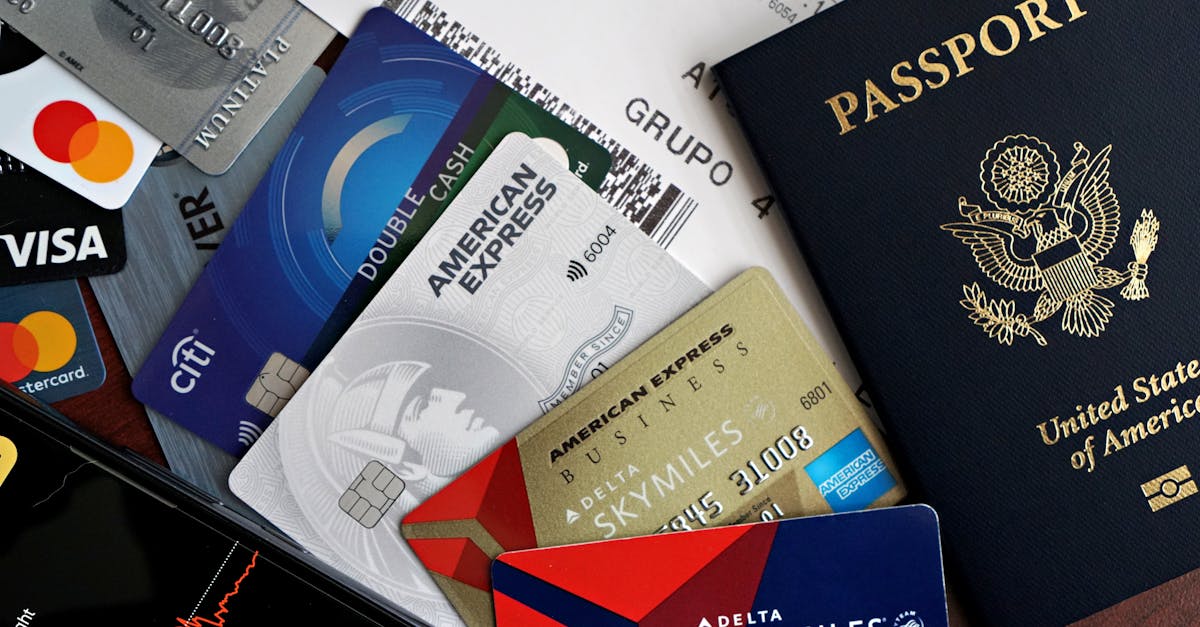
United Airlines has announced a significant restructuring of its MileagePlus loyalty program, signaling a strategic pivot that prioritizes high-spending credit card users over traditional frequent flyers. The overhaul, which adjusts the requirements for achieving elite status, effectively narrows the path to “Premier” tiers for travelers who do not utilize the carrier’s co-branded credit cards.
A Strategic Shift in Loyalty Metrics
The core of the overhaul centers on the accumulation of Premier Qualifying Points (PQPs), the primary metric used to determine a traveler’s status level. Under the new guidelines, United is increasing the thresholds required to reach Silver, Gold, Platinum, and 1K tiers. While the airline is maintaining the “flyer-only” path, the requirements have been steepened, making it increasingly difficult to achieve status through ticket purchases alone.
By contrast, the airline is significantly enhancing the “PQP earn rate” for customers using United-branded credit cards issued by Chase. This move is designed to integrate the airline more deeply into the daily spending habits of its customers, rewarding financial engagement as much as, if not more than, actual time spent in the air.
Incentivizing the Co-Branded Ecosystem
Industry analysts view this move as a clear effort to bolster the lucrative revenue streams generated by credit card partnerships. By paring back rewards for those outside its financial ecosystem, United is creating a powerful incentive for its most frequent travelers to carry its plastic. For cardholders, the path to elite status remains attainable, as their everyday purchases now contribute more aggressively toward their annual PQP goals.
This strategy reflects a broader trend within the aviation industry, where major carriers are increasingly functioning as financial entities. Following similar moves by Delta Air Lines and American Airlines, United is moving away from a “miles flown” model toward a “dollars spent” and “loyalty ecosystem” model, where the most coveted perks are reserved for those who demonstrate the highest total lifetime value to the brand.
Impact on the Casual Traveler
For the casual traveler or the business flyer who is restricted to corporate booking tools without a personal co-branded card, the changes represent a significant devaluation of their loyalty. The higher barriers to entry for elite status mean fewer travelers will enjoy benefits such as complimentary upgrades, priority boarding, and waived baggage fees.
United’s management maintains that these changes are necessary to ensure that the “Premier” experience remains exclusive and manageable. As lounges become more crowded and upgrade lists grow longer, the airline is using these new requirements to thin the ranks of elite members, ensuring that its most profitable customers—those who both fly and spend on their cards—receive a more premium level of service.

