


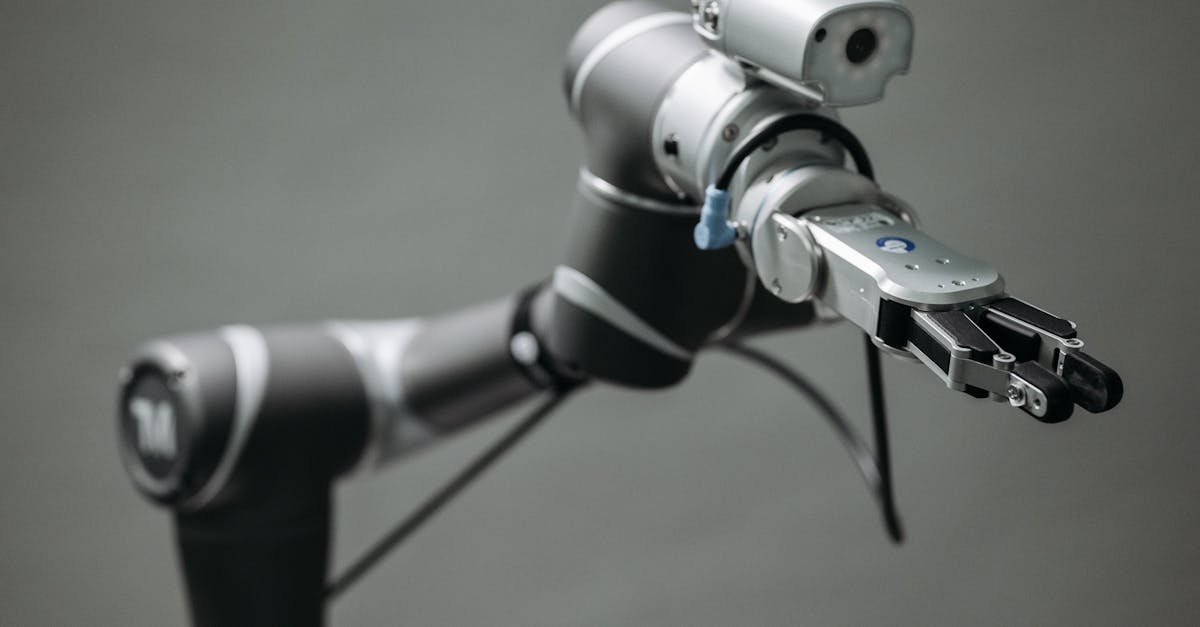
The quest for truly versatile robots has hit a significant snag: the human hand. Despite rapid advancements in artificial intelligence and locomotion, the development of robust, affordable, and dexterous robotic hands continues to elude even the most pioneering firms in the industry. This fundamental challenge is proving to be a critical bottleneck in the widespread adoption of robots for a multitude of tasks, from intricate manufacturing to everyday assistance.
The Complexity of Dexterity
Mimicking the nuanced capabilities of the human hand, with its millions of nerve endings, intricate musculature, and remarkable adaptability, presents an immense engineering feat. Current robotic hands often fall short in either durability, cost-effectiveness, or the ability to perform a wide range of delicate manipulations. Many existing solutions are either prohibitively expensive, prone to damage, or lack the fine motor control necessary for tasks requiring precision and gentle handling.
Cost vs. Capability Trade-offs
The inherent complexity translates directly into high production costs. Developing hands that can reliably grasp objects of varying shapes, sizes, and textures, while also withstanding the rigors of continuous operation, requires sophisticated materials, advanced sensors, and intricate actuator systems. This often leads to a stark trade-off: either a robot hand is affordable but limited in its functionality, or it possesses greater dexterity but at a price point that restricts its commercial viability for many applications.
Industry-Wide Challenge
Leading robotics companies, from established players to agile startups, are investing heavily in research and development to overcome this challenge. Innovations in soft robotics, advanced materials science, and miniaturized sensing technology are showing promise, but a breakthrough that delivers both high performance and mass-market affordability remains elusive. The ability to develop a truly universal robotic hand could unlock a new era of automation, but for now, the industry is still striving to get a firm grip on this critical component.

