


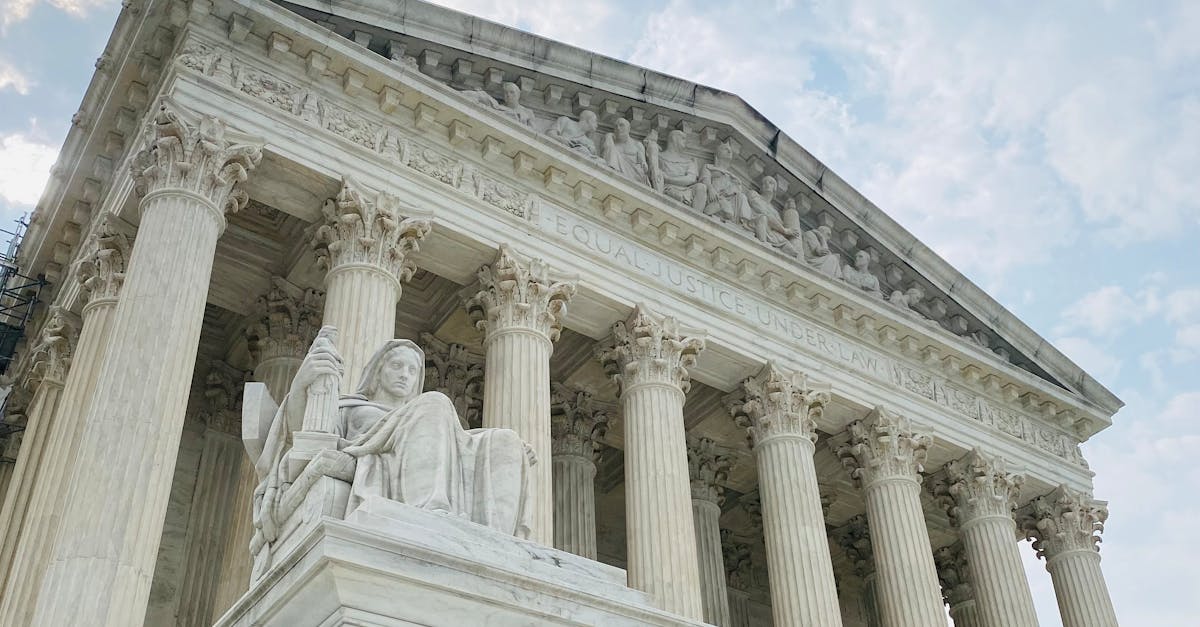
In a high-stakes confrontation within the White House briefing room, Donald Trump delivered a scathing rebuke of the Supreme Court following a landmark ruling that dismantled his administration’s sweeping trade levies. The atmosphere was one of palpable tension as the president addressed the press, signaling a deepening rift between the executive branch and the nation’s highest court over the limits of presidential authority in economic policy.
A Judicial Blow to Economic Strategy
The Supreme Court’s decision represents a significant legal setback for the administration, effectively neutralizing a cornerstone of its “America First” trade agenda. The ruling targeted the broad application of tariffs that had been implemented under the guise of national security, with the justices concluding that the executive branch had overstepped its constitutional mandate. For a president who has long utilized tariffs as a primary tool for international negotiation, the verdict was not merely a legal defeat but a direct challenge to his governing philosophy.
Defiance in the Briefing Room
Observers within the briefing room, including veteran correspondent Bernd Debusmann, described a president who appeared both indignant and resolute. Rather than adopting a conciliatory tone in the face of the judicial check, Trump characterized the court’s intervention as a “disastrous” overreach that threatened the nation’s economic sovereignty. He argued that the judiciary was ill-equipped to handle complex matters of international trade, asserting that the ruling would embolden foreign competitors at the expense of American industry.
Implications for Executive Power
The fallout from the ruling is expected to be immediate and far-reaching, potentially forcing the administration to seek legislative approval for future trade measures—a prospect that faces significant hurdles in a polarized Congress. Furthermore, the decision may trigger a wave of litigation from domestic importers and international partners seeking to recoup billions in paid duties. As the administration weighs its legal options, the president’s rhetoric suggests that the battle over trade authority is entering a volatile new chapter, setting the stage for a protracted constitutional struggle over the boundaries of executive reach.

