


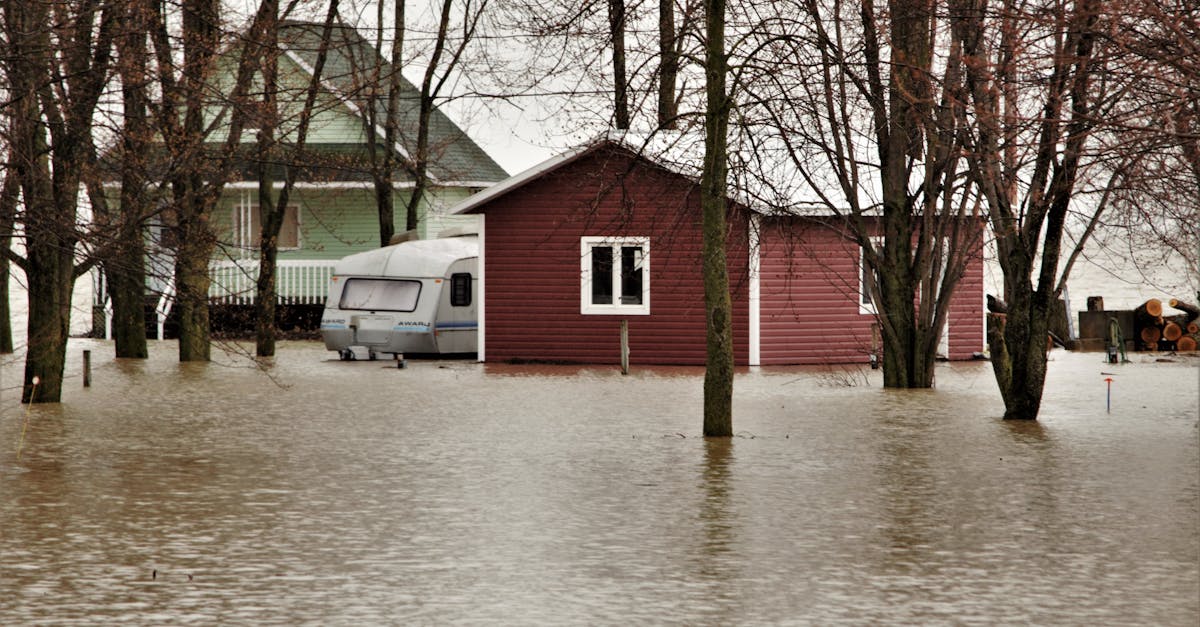
Residents along a vulnerable coastal or riparian street are awaiting a final, devastating decision this week: whether their homes, rendered structurally indefensible by escalating climate risks, will be subject to mandatory demolition. This localized crisis serves as a stark, immediate illustration of a systemic vulnerability that is rapidly redefining the stability of property ownership across the United States.
The anxiety gripping these communities reflects a broader national shift. Climate change is fundamentally altering the perception of homeownership, long considered the bedrock of the American middle class. Recent data confirms that a majority of Americans now view owning a home as significantly riskier than they did just a decade ago, driven by the increasing frequency and severity of climate-related disasters.
The Reckoning of Retreat
The impending decision for these homeowners highlights the painful ethical and logistical challenges facing authorities worldwide. While it is widely acknowledged that forcing citizens out of their established homes due to environmental threats is profoundly unfair, experts argue that mandated retreat and structural mitigation—including demolition—are becoming unavoidable necessities to ensure public safety and prevent catastrophic losses.
The cost of inaction, measured both in human lives and economic damage, is proving too high to bear, forcing municipalities to choose between costly, often temporary defenses and permanent, painful relocation strategies.
Systemic Vulnerability Quantified
The localized threat is magnified by national statistics revealing the true scale of the crisis. According to a recent survey and analysis, nearly half of all residential properties in the United States are now categorized as being at serious risk from the climate crisis. This systemic vulnerability encompasses a diverse array of threats, including catastrophic flooding, intensifying wildfires, destructive hurricanes, and extreme heat events.
This widespread exposure is transforming real estate economics. Areas previously considered stable investments are now facing devaluations and insurance crises, as insurers withdraw or raise premiums to levels unaffordable for typical homeowners. The traditional equity built through homeownership is increasingly being viewed as a liability in high-risk zones.
The Future of Property Security
As climate change accelerates, the difficult choice between protecting private property and ensuring public safety will become more frequent. The fate of the street facing demolition is a precursor to a national conversation about managed retreat, government responsibility for climate-induced displacement, and the necessity of integrating climate resilience into all future housing and infrastructure planning. For millions of homeowners, the security once synonymous with owning a deed is now subject to the unpredictable forces of a changing global climate.

