


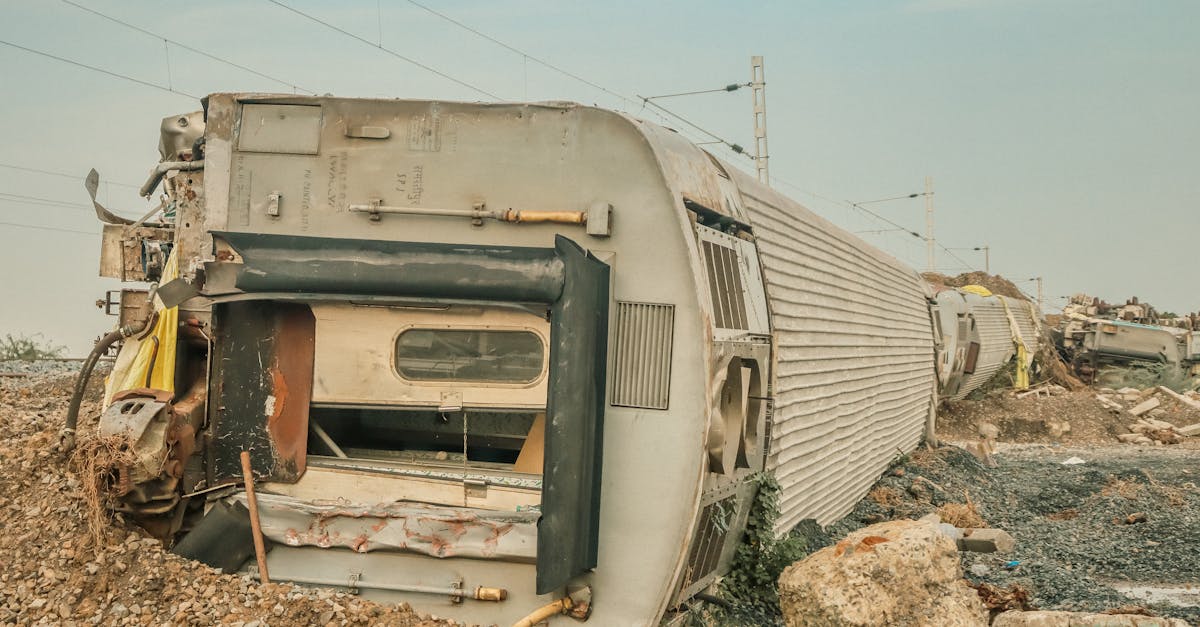
Investigators are meticulously examining the wreckage of a devastating train crash that has claimed the lives of at least 40 people, marking Spain’s most catastrophic rail incident in more than ten years. The scene, heavily secured by a large police cordon, paints a grim picture of the tragedy that unfolded, with the worst-hit carriages bearing the brunt of the impact as recovery efforts continue.
Grim Scene and Ongoing Investigation
The scale of the disaster has sent shockwaves across the nation, prompting an urgent and thorough investigation into the cause of the derailment. The precise circumstances leading to the crash remain under scrutiny as authorities work to piece together the events that led to such a significant loss of life and numerous injuries. The recovery of the deceased from the mangled carriages is a somber and painstaking process.
Echoes of Past Tragedies
This latest incident inevitably brings to mind Spain’s most severe rail disaster in recent history. In 2013, a high-speed train derailed in Galicia, in the north-west of the country, resulting in 80 fatalities and injuring 140 others. The memory of that tragedy underscores the profound impact of such events on communities and the nation’s commitment to rail safety.
Safety Measures Under Review
In the wake of this deadly crash, Spain has moved to implement immediate safety measures, including the imposition of speed limits on the crucial Madrid-Barcelona line. This decision reflects a proactive response to the incident, highlighting a renewed focus on ensuring the safety of passengers on the country’s extensive rail network.

