


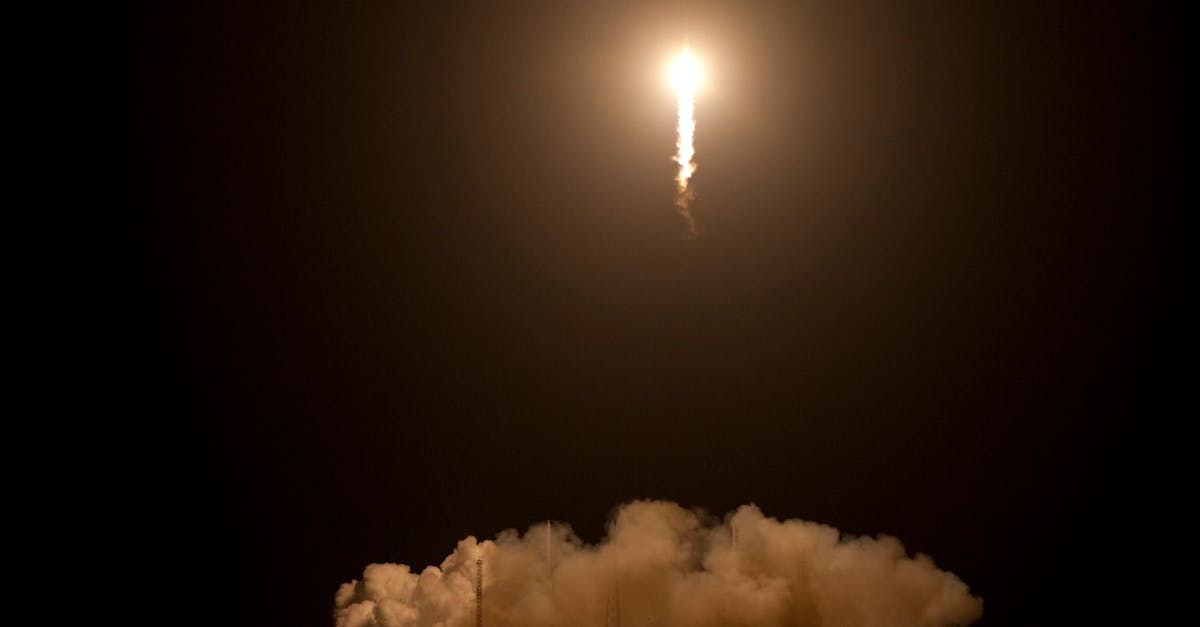
In a display of precision engineering and celestial ambition, a SpaceX Falcon 9 rocket pierced the Florida skyline today, embarking on its latest journey to the International Space Station (ISS). The launch, conducted from the historic Kennedy Space Center, marks another milestone in the ongoing collaboration between the private aerospace giant and international space agencies to maintain a continuous human presence in low Earth orbit.
Precision Liftoff and Ascent
The Falcon 9 ignited its Merlin engines with thunderous force, generating over 1.7 million pounds of thrust to propel the Dragon spacecraft through the atmosphere. Within minutes of liftoff, the vehicle reached Max-Q—the moment of peak mechanical stress—before successfully executing stage separation. The mission proceeded with textbook accuracy, as the second stage continued its trajectory to deliver its payload into the precise orbital plane required for a rendezvous with the ISS.
Advancing Orbital Research
The mission serves as a critical artery for the orbiting laboratory, carrying a sophisticated array of scientific experiments, technical hardware, and essential supplies for the international crew. Among the cargo are instruments designed to study long-term biological effects in microgravity and advanced materials science kits. These resources are vital for the station’s role as a testbed for future deep-space exploration, including upcoming lunar and Martian objectives.
The Standard of Reusability
Underscoring SpaceX’s commitment to sustainable spaceflight, the Falcon 9’s first-stage booster performed a controlled descent following its separation. Utilizing a series of “entry burns” to navigate back through the atmosphere, the booster successfully touched down on a drone ship stationed in the Atlantic Ocean. This successful recovery further solidifies the industry shift toward reusable launch architecture, significantly reducing the cost of access to space.
Next Steps for the Mission
The Dragon spacecraft is now engaged in a series of phased maneuvers to align its orbit with the International Space Station. Over the coming hours, onboard autonomous systems will coordinate a delicate docking sequence. Once secured, the hatches will be opened, allowing the resident crew to begin the integration of new supplies and the commencement of the mission’s primary scientific objectives.

