


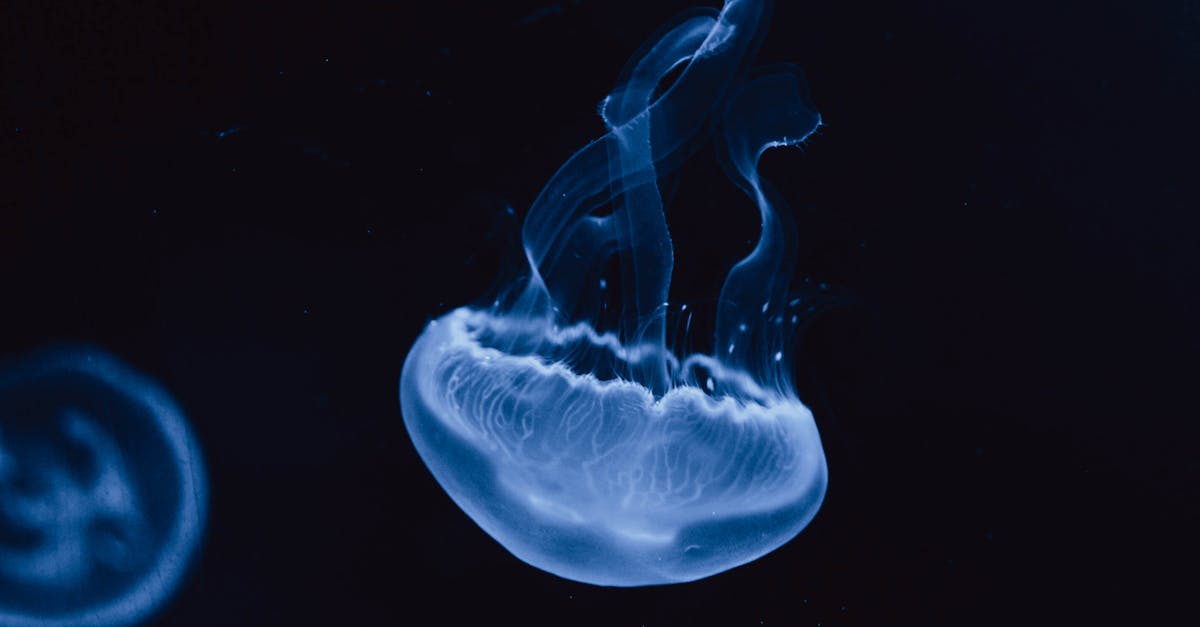
Deep-sea researchers operating in the South Atlantic have successfully documented rare footage of the *Stygiomedusa gigantea*, commonly known as the giant phantom jellyfish. The sighting, captured hundreds of feet below the surface off the coast of Argentina, provides valuable insight into one of the ocean’s most elusive and mysterious inhabitants.
The remarkable encounter occurred approximately 250 meters (820 feet) beneath the ocean surface. Scientists were conducting routine deep-sea exploration and biodiversity surveys when their remotely operated vehicle (ROV) filmed the massive creature drifting silently through the dark, cold waters. This species is rarely observed in its natural habitat, making the documentation a significant event for marine biology.
The Abyssal Enigma
The giant phantom jellyfish is characterized by its immense size and ghostly appearance, inspiring its common name. It is one of the largest known invertebrate predators in the deep sea. While specific measurements of the filmed specimen were not immediately released, the species is known to possess a bell that can exceed one meter in diameter, accompanied by long, ribbon-like oral arms that trail behind it.
The *Stygiomedusa gigantea* thrives in the bathypelagic zone, often referred to as the “midnight zone,” where sunlight does not penetrate. Its preference for extreme depths across the world’s oceans is the primary reason why encounters are exceedingly uncommon, despite the species having been observed globally since its initial discovery over a century ago.
Significance for Deep-Sea Research
The new footage from the Argentine coast offers a unique opportunity for researchers to study the creature’s movement, behavior, and ecological role within the deep-sea ecosystem. Understanding the distribution and habits of such large, deep-dwelling organisms is crucial for mapping marine biodiversity and assessing the impact of human activities, such as deep-sea trawling and resource extraction, on these fragile environments.

