


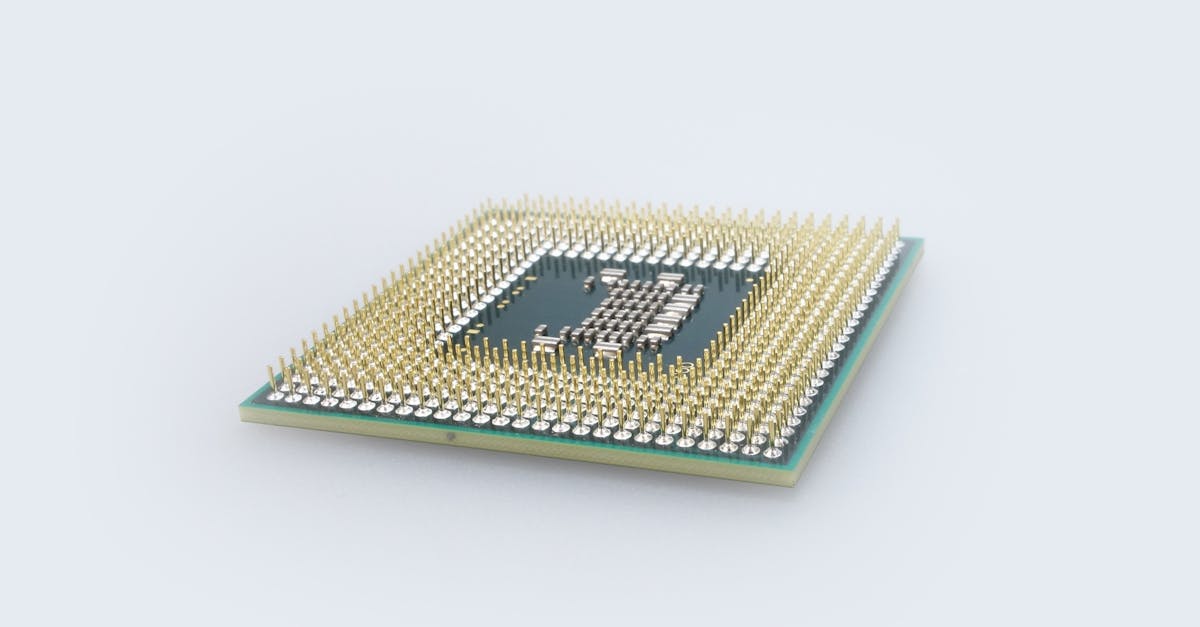
Meta Platforms has significantly expanded its strategic partnership with Nvidia, committing to deploy millions of the chipmaker’s advanced AI processors, including both graphics processing units (GPUs) and new standalone central processing units (CPUs), in a massive build-out of its artificial intelligence data centers. The monumental deal, estimated to be worth tens of billions of dollars, underscores Meta’s aggressive push to solidify its position at the forefront of the generative AI revolution.
Strategic Imperative for AI Dominance
This substantial investment signals Meta’s unwavering commitment to developing and scaling its AI capabilities, which are critical for enhancing its social media platforms, powering its metaverse ambitions, and advancing its large language models like Llama. By securing a vast supply of Nvidia’s cutting-edge hardware, Meta aims to accelerate its research and development in AI, improve the performance and efficiency of its existing AI infrastructure, and gain a competitive edge in a rapidly evolving technological landscape where AI compute power is paramount.
Beyond GPUs: The Role of Standalone CPUs
While Nvidia’s GPUs have long been the gold standard for AI training and inference, the inclusion of standalone CPUs in this expanded deal marks a notable strategic shift. This move suggests Meta’s intent to optimize its data center architecture more holistically for AI workloads, potentially leveraging Nvidia’s CPU technology to create a more integrated and efficient compute stack. By deploying Nvidia’s CPUs alongside its dominant GPUs, Meta could be aiming for tighter hardware-software co-design, potentially reducing reliance on traditional CPU vendors and enhancing overall system performance for its complex AI operations.
Market Implications and Industry Impact
The multi-billion dollar agreement further solidifies Nvidia’s unparalleled dominance in the AI chip market, reinforcing its status as the indispensable hardware provider for tech giants investing heavily in AI. For Meta, this massive capital expenditure highlights the extraordinary costs associated with building and maintaining state-of-the-art AI infrastructure. The deal is expected to have significant ripple effects across the technology sector, influencing supply chains, setting new benchmarks for AI data center scale, and potentially spurring further innovation in integrated AI hardware solutions from other industry players.

