


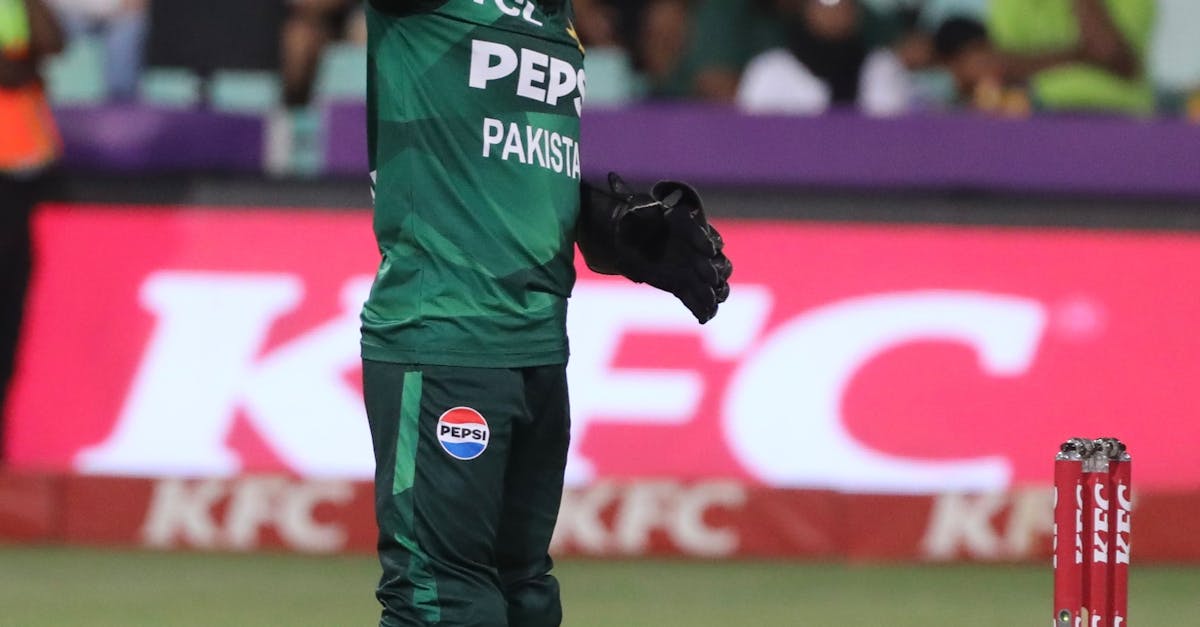
The much‑anticipated India‑Pakistan clash at the ICC Cricket World Cup, briefly jeopardised by Pakistan’s refusal to take the field, is now back on the schedule, reigniting one of sport’s most intense geopolitical rivalries.
Background to the Standoff
In the lead‑up to the tournament, Pakistan’s cricket board announced a short‑lived boycott, citing security concerns and diplomatic tensions with India. The decision sent shockwaves through the cricketing world, prompting frantic negotiations between the International Cricket Council, the two national boards and government officials from both sides.
Negotiations and Resolution
After intensive diplomatic outreach and assurances regarding player safety, the ICC secured a commitment from Pakistan to honour the fixture. The board’s reversal was formally confirmed just days before the match, allowing the fixture to remain on the World Cup calendar.
Why the Rivalry Matters
The India‑Pakistan encounter transcends sport. Since their first meeting in 1952, the two sides have contested over 200 matches across formats, each game carrying the weight of historic, political and cultural narratives. The rivalry draws massive television audiences, generates significant commercial revenue, and often serves as a barometer of bilateral relations.
Implications for the Tournament
Beyond the spectacle, the match holds strategic importance for both teams’ World Cup campaigns. A win could provide a crucial boost in points and momentum, while a loss may jeopardise qualification hopes. Coaches from both camps have highlighted the need to focus on performance rather than external pressures.
Fan Anticipation and Economic Impact
Fans across South Asia and the diaspora are gearing up for what many describe as a “once‑in‑a‑generation” showdown. Ticket sales, advertising slots and streaming subscriptions have surged, underscoring the fixture’s economic significance for broadcasters and sponsors worldwide.
Looking Ahead
As the teams prepare for the high‑stakes encounter, the cricketing community watches closely, aware that the outcome will echo far beyond the boundary ropes. The restored match not only preserves the integrity of the World Cup schedule but also reaffirms sport’s capacity to bridge, however temporarily, the divides that separate nations.

