


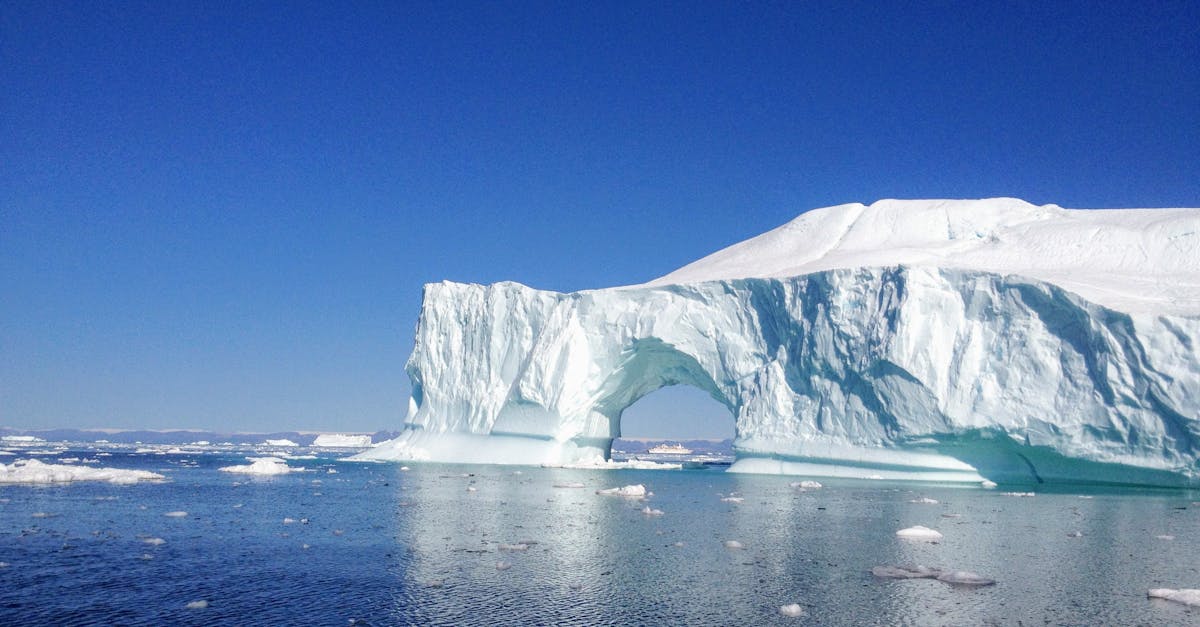
Analysts are increasingly framing water as a strategic asset, and Greenland’s vast ice sheets are now at the centre of that conversation. Containing roughly 10 % of the planet’s total freshwater reserves, the island’s frozen stores are being described as “frozen capital” – a resource whose geopolitical and economic value could rival traditional commodities.
Why Greenland’s Ice Is Strategic
“Water is increasingly treated like a strategic asset,” said a senior analyst in an interview with CNBC. The sheer volume of ice locked in Greenland’s glaciers means that, if meltwater can be harvested and transported, it could supply water‑scarce regions for decades. Unlike conventional reserves, however, the resource is not immediately accessible; it remains bound in ice, requiring significant technological and infrastructural investment to convert it into usable freshwater.
National Security Implications
Experts warn that water scarcity is evolving into a national security issue. Nations facing chronic droughts or dwindling aquifers are beginning to view external water sources as critical to their long‑term stability. Greenland’s ice, therefore, is attracting attention not only from environmental scientists but also from defense planners and policymakers who see control over freshwater as a potential lever in future geopolitical negotiations.
Geopolitical Interest and Legal Ambiguities
Greenland is an autonomous territory within the Kingdom of Denmark, and its water resources are technically under Danish jurisdiction. The prospect of commercial extraction raises complex questions about sovereignty, indigenous rights, and international law. While no formal claims have been filed, several countries have expressed interest in exploring partnerships that could secure future water supplies.
Technical and Environmental Challenges
Transforming ice into potable water on a scale large enough to impact global markets faces formidable hurdles. Melting, transport, and storage would require massive energy inputs, potentially offsetting environmental benefits. Moreover, accelerated ice loss contributes to sea‑level rise, threatening coastal communities worldwide. Balancing the exploitation of “frozen capital” with climate mitigation remains a central debate.
Outlook
As climate change intensifies water stress across continents, Greenland’s freshwater reserves are likely to feature more prominently in strategic planning circles. Whether the ice will become a tradable commodity or remain a geopolitical bargaining chip depends on advances in extraction technology, international regulatory frameworks, and the willingness of nations to collaborate on a resource that is both a lifeline and a liability.

