


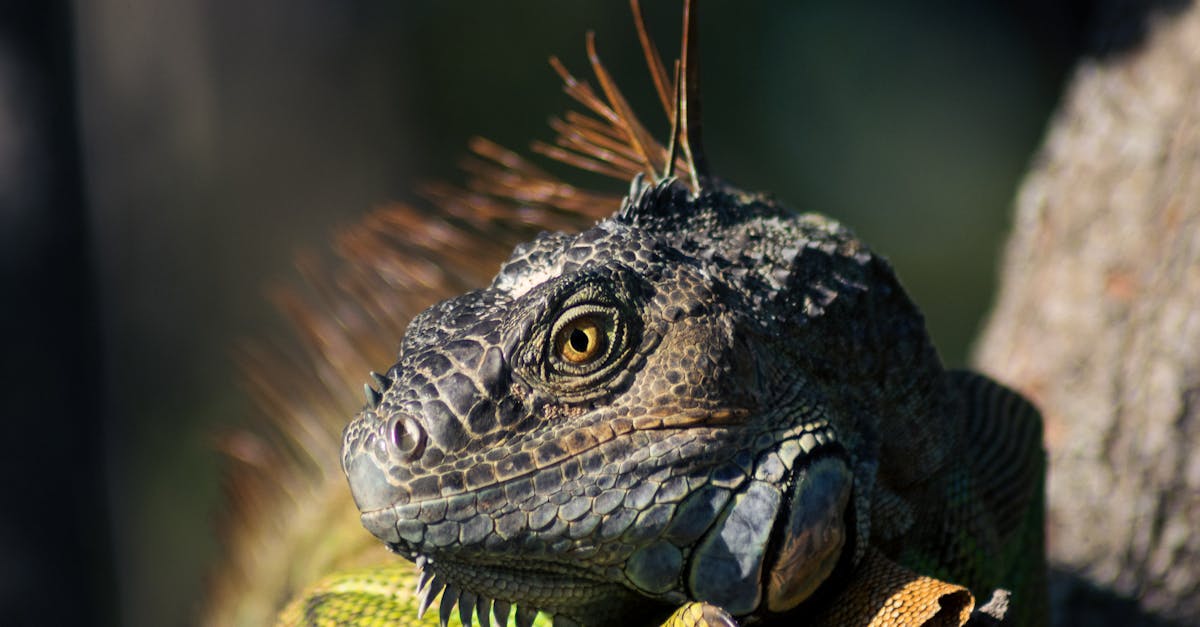
A sudden plunge in temperatures across Florida has left dozens of non‑native green iguanas “cold‑stunned,” causing the reptiles to become immobile, collapse from trees and lie helpless on sidewalks and lawns. The state’s wildlife agency warns that the phenomenon, triggered by an atypical cold snap, is creating both a humanitarian concern for the animals and a public‑health issue for residents.
Cold Weather Triggers Physiological Shock
When temperatures dipped below the 50 °F (10 °C) threshold for several consecutive hours, the ectothermic iguanas were unable to regulate their body heat. Experts describe the condition as “cold stun,” a state in which the reptiles become sluggish, lose coordination and eventually collapse. Video footage circulating on social media shows the lizards sprawled on grass and pavement, some falling from the branches of palm and oak trees where they had been basking.
Wildlife Agency Response
The Florida Fish and Wildlife Conservation Commission (FWC) confirmed that the cold snap is unprecedented in recent decades and has rendered the invasive iguanas vulnerable. “We are monitoring the situation closely,” said an FWC spokesperson. “While the cold may temporarily curb the population surge of this invasive species, the animals’ suffering raises ethical and ecological questions.” The agency has issued guidance for the public to avoid handling the stunned reptiles, citing the risk of bites and the potential spread of salmonella.
Trappers Capitalize on the Situation
Local wildlife trappers have reported a surge in captures. One trapper, speaking on condition of anonymity to CBS News Miami, disclosed that he had collected roughly 100 cold‑stunned iguanas over the past two days. He described the process as “relatively easy” because the reptiles were too weak to escape. The trapper’s activity underscores a growing debate over whether opportunistic removal of the invasive species during cold snaps should be coordinated with state authorities.
Implications for Ecosystems and Residents
Green iguanas, native to Central and South America, have proliferated throughout Florida’s urban and suburban landscapes, causing damage to vegetation, infrastructure and native wildlife. While the cold snap offers a brief reprieve, officials caution that the reptiles will likely rebound once temperatures normalize. Moreover, the presence of stunned animals on roadways poses a hazard to motorists and pedestrians.
What Residents Can Do
The FWC advises citizens to:
- Report sightings of immobilized iguanas to local animal control or the state wildlife hotline.
- Avoid direct contact; use gloves if handling is unavoidable.
- Do not attempt to transport the animals without proper permits.
- Stay informed about weather updates that may affect wildlife behavior.
As Florida returns to milder conditions, wildlife officials anticipate that the iguanas will recover and resume their invasive expansion, prompting renewed calls for long‑term management strategies.

