


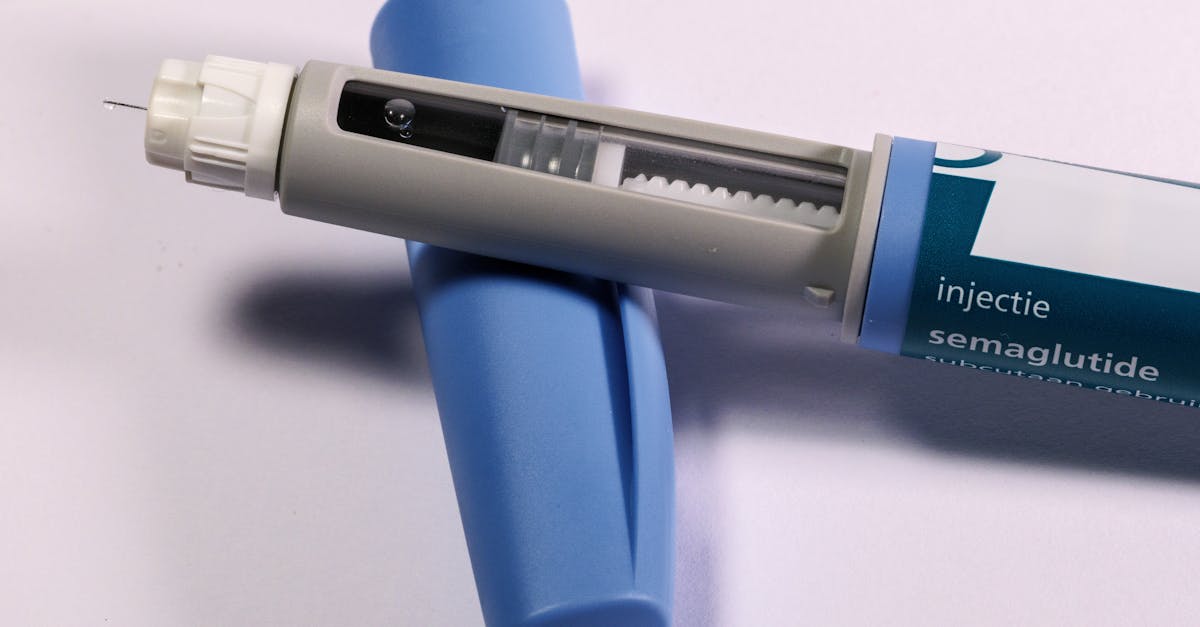
Analysts see the growth of Eli Lilly’s glucagon‑like peptide‑1 (GLP‑1) franchise as only beginning, while rival Novo Nordisk braces for a contraction in its 2026 outlook. The contrasting forecasts highlight a widening gap between the two pharmaceutical leaders in the fast‑growing obesity and diabetes markets.
Diverging 2026 Outlooks
Both companies are contending with heightened pricing pressure in the United States, yet their projections for 2026 diverge sharply. Novo Nordisk (NVO) anticipates a revenue decline of 5 % to 13 % next year, citing aggressive payer negotiations and the imminent loss of key patents. In contrast, Eli Lilly expects its GLP‑1 portfolio to accelerate, with analysts forecasting more than a 21 % increase in revenue and adjusted earnings growth exceeding 40 % in 2026 versus 2025 estimates.
Lilly’s Strategic Edge
Lilly’s lead hinges on the performance of tirzepatide, a dual‑agonist that has demonstrated roughly a 20 % superiority in weight‑loss outcomes compared with competitors. The company has complemented the drug’s clinical advantage with an aggressive direct‑to‑consumer (DTC) marketing strategy, expanding patient awareness and driving higher prescription uptake. This dual approach—clinical differentiation and market‑side activation—has solidified Lilly’s position in the obesity segment, where demand continues to outpace supply.
Novo Nordisk’s Headwinds
For Novo Nordisk, the outlook is clouded by a combination of regulatory pricing constraints and the erosion of exclusivity on its flagship GLP‑1 products. The firm expects to lose market share as newer agents, particularly tirzepatide, capture physician and patient preference. While Novo Nordisk remains a dominant player, its projected sales contraction underscores the intensity of competitive pressure and the need for pipeline innovation.
Implications for the GLP‑1 Landscape
The split in forward guidance signals a potential reshaping of the GLP‑1 market hierarchy. Lilly’s anticipated revenue surge suggests that its obesity‑focused portfolio could become the primary growth engine for the sector, while Novo Nordisk may need to accelerate new product launches or adjust pricing strategies to mitigate the forecasted downturn. Investors and industry observers will be watching closely as both firms navigate the evolving reimbursement environment and the expanding demand for effective obesity therapies.

