


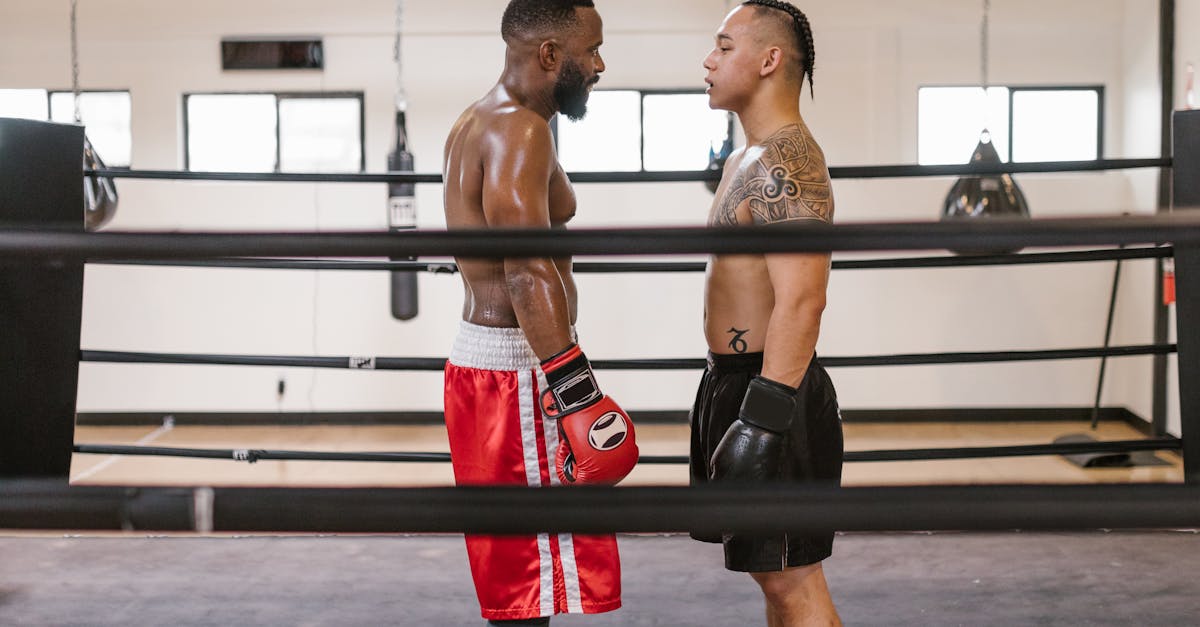
Once relegated to the shadows of unlicensed backroom brawls and historical footnotes, bare-knuckle boxing (BKB) is undergoing a radical transformation. As the sport pushes for mainstream acceptance and commercial viability, a new BBC documentary delves into the visceral world of modern-day pugilism, questioning whether its brutal reputation can coexist with modern safety standards.
The Allure of the Raw Adrenaline
At the heart of this resurgence are athletes like Liam ‘Rocky’ Rees, a fighter whose journey illustrates the magnetic pull of the sport. Speaking to BBC Sport, Rees describes an addiction to the raw intensity that only bare-knuckle combat can provide. For Rees and many of his peers, the appeal lies in the purity of the contest—a throwback to a more primal form of competition that strips away the padding of modern boxing.
“It’s the ultimate adrenaline rush,” Rees explains, noting that the stakes feel significantly higher when there is nothing but skin and bone connecting with the target. This psychological “buzz” is a driving force behind the sport’s growth, attracting both seasoned martial artists and a rapidly expanding global fanbase hungry for authenticity in an era of highly choreographed sports entertainment.
The Safety Paradox: Cuts vs. Concussions
The central debate surrounding bare-knuckle boxing remains its safety profile. To the casual observer, the sight of bloodied faces and deep lacerations suggests a sport far more dangerous than its gloved counterpart. However, proponents and some medical advocates argue that the reality is more nuanced. While the lack of gloves leads to more frequent superficial injuries, such as cuts and broken hand bones, it may actually reduce the risk of long-term brain trauma.
In traditional boxing, gloves allow fighters to deliver repeated, heavy blows to the head over many rounds without injuring their hands. In contrast, bare-knuckle fighters must be more selective with their strikes to avoid breaking their knuckles on an opponent’s skull. This often results in shorter bouts and fewer sustained impacts to the cranium. Nevertheless, the medical community remains divided, with critics pointing out that the sheer force of an unprotected fist can cause devastating acute injuries that the sport is still struggling to mitigate.
The Road to Mainstream Regulation
For bare-knuckle boxing to achieve the “mainstream appeal” it craves, the transition from underground spectacle to sanctioned sport is critical. Promoters are increasingly implementing rigorous medical screenings, post-fight care protocols, and standardized officiating to mirror the infrastructure of the UFC or professional boxing. The goal is to convince regulators and broadcasters that the sport is a disciplined athletic pursuit rather than a lawless free-for-all.
As documentaries shed light on the human stories behind the scars, the public perception of the “bare-knuckle warrior” is shifting. Whether the sport can ever truly shed its “blood sport” label remains to be seen, but for fighters like Liam Rees, the validation of the mainstream is secondary to the feeling of the fight itself. As the industry grows, the challenge for organizers will be maintaining that raw essence while ensuring the athletes’ safety remains the top priority.

