


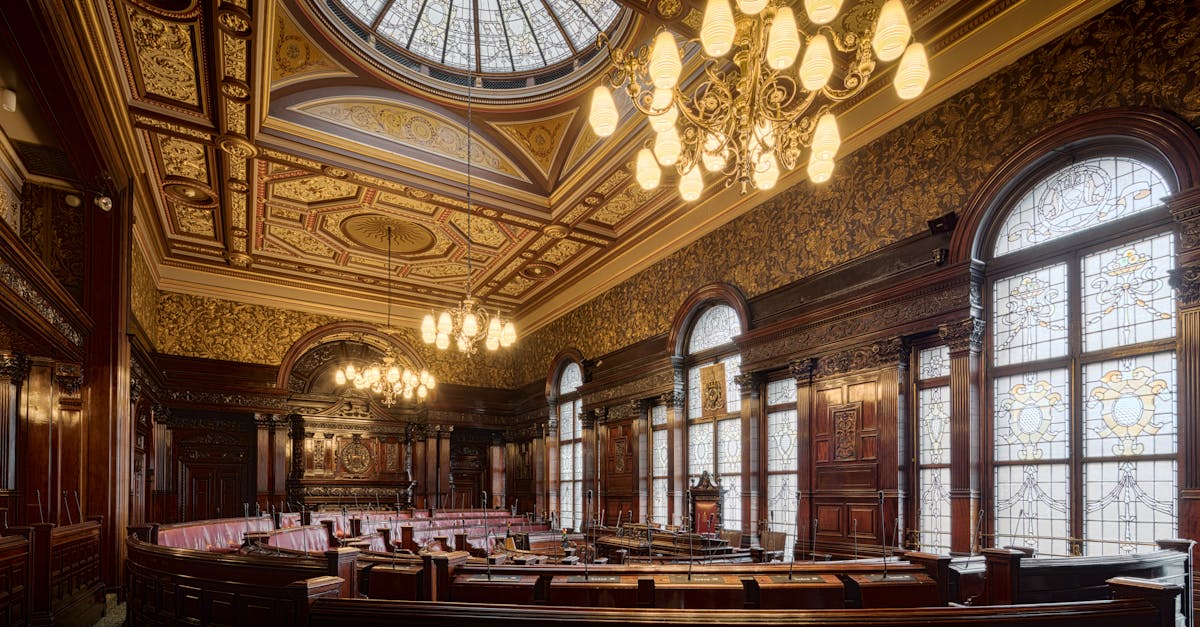
Argentina’s Chamber of Deputies has delivered a significant legislative victory to President Javier Milei, passing a sweeping labor reform package that forms a cornerstone of his administration’s broader economic overhaul. The move marks a pivotal step in the libertarian leader’s ambitious plan to deregulate the nation’s struggling economy, though it has ignited fierce opposition from organized labor and social movements.
A Shift Toward Deregulation
The approved measures aim to fundamentally reshape Argentina’s labor market by extending worker probation periods from three to six months—and up to a year in certain small-business sectors—while simultaneously restructuring severance frameworks to reduce costs for employers. The reform also seeks to eliminate fines for businesses that have historically failed to properly register employees, a move the government argues will incentivize formal hiring in a country where informal labor remains a systemic challenge.
For President Milei, who took office in December promising a “chainsaw” approach to state spending and regulation, the passage of this bill is seen as essential to curbing triple-digit inflation and attracting the foreign investment necessary to stabilize the volatile peso. Supporters of the bill argue that the existing labor code is archaic and acts as a deterrent to job creation, particularly for small and medium-sized enterprises.
Union Resistance and Social Friction
However, the legislative progress has been met with a wall of resistance from Argentina’s powerful trade unions. The General Confederation of Labor (CGT) and other major labor blocs have vehemently denounced the reforms, characterizing them as a direct assault on hard-won constitutional protections. Critics argue that the new laws shift the balance of power decisively toward corporations, facilitating easier dismissals and eroding the social safety net for the most vulnerable workers.
The outcry from the labor sector has already manifested in nationwide protests and general strikes, highlighting the deep polarization within Argentine society. Union leaders have warned that the reforms will lead to a “precaritization” of work, stripping away rights that have defined the Argentine labor landscape for decades.
The Legislative Path Ahead
While the approval in the Chamber of Deputies represents a major hurdle cleared for the Milei administration, the bill now moves to the Senate, where the government faces a more precarious political landscape. With Milei’s party holding a minority in both chambers, the administration has had to engage in intense negotiations with “friendly” opposition blocs to secure the necessary votes.
As the bill heads to the upper house, the international community and financial markets are watching closely. The outcome will serve as a litmus test for Milei’s ability to govern and implement his radical economic vision in the face of entrenched institutional and social opposition.

