


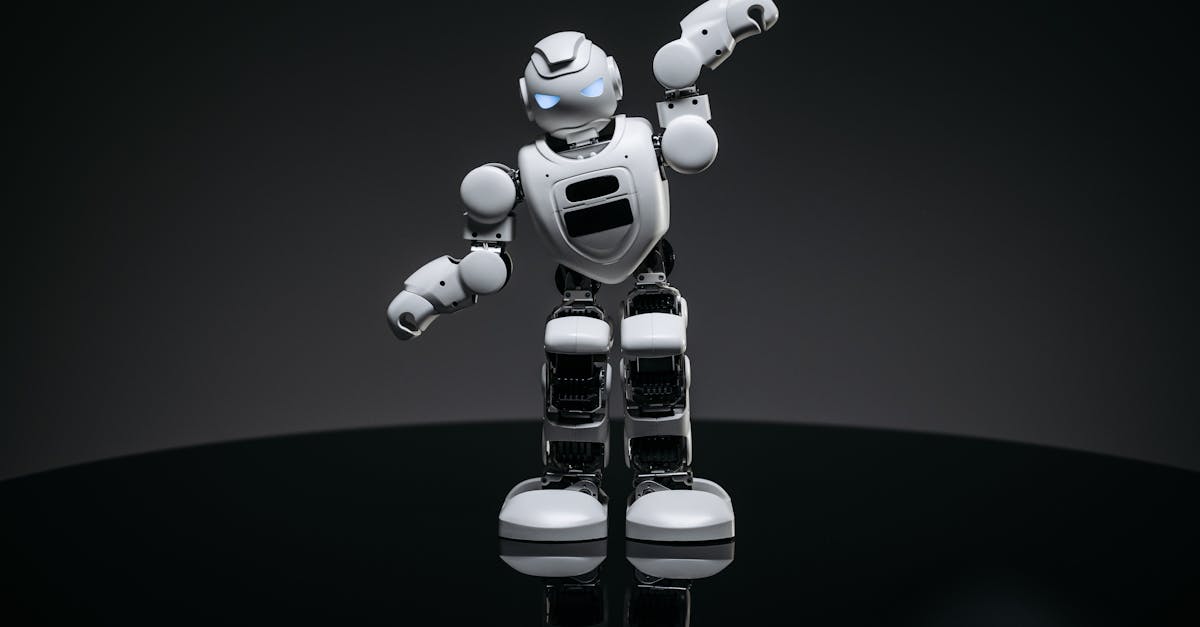
Chinese e-commerce and technology giant Alibaba has unveiled its latest artificial intelligence model specifically designed to power advanced robotics, marking a significant escalation in the global race to develop ‘physical AI.’ This strategic move positions Alibaba directly alongside major tech players like Nvidia and Google, all vying for dominance in a burgeoning field that promises to revolutionize how AI interacts with the real world.
Alibaba’s Strategic Play in Robotics
The new AI model, developed by Alibaba’s DAMO Academy, aims to equip robots with enhanced capabilities in perception, decision-making, and human-robot interaction. By integrating advanced machine learning algorithms, the model is expected to enable robots to perform complex tasks with greater autonomy and adaptability across various sectors, including logistics, manufacturing, and service industries. For Alibaba, a company deeply invested in logistics and automation through its Cainiao network, this development is not merely a technological advancement but a critical strategic imperative to optimize operations and expand its technological footprint.
The Dawn of ‘Physical AI’
The concept of ‘physical AI’ refers to artificial intelligence systems that can perceive, reason, and act within the physical world, typically through robotic bodies. Unlike purely software-based AI, physical AI grapples with the complexities and unpredictability of real-world environments, demanding sophisticated models that can handle sensory input, motor control, and dynamic interactions. This frontier represents the next major leap in AI development, moving beyond virtual assistants and data analysis to intelligent agents capable of tangible, real-world impact.
A Crowded and Competitive Arena
Alibaba’s entry underscores the intense competition and massive investment pouring into the physical AI domain. Silicon Valley titans Nvidia and Google have been at the forefront of this movement, with Nvidia leveraging its powerful GPUs and Isaac robotics platform to accelerate AI-driven robot development, and Google exploring advanced machine learning techniques for robotic manipulation and learning. Other players, from startups to established industrial automation firms, are also contributing to a rapidly evolving ecosystem. This collective push is driven by the immense potential for physical AI to automate dangerous or repetitive tasks, enhance productivity, and create entirely new industries.
Future Implications
The accelerating development in physical AI, spearheaded by giants like Alibaba, Nvidia, and Google, heralds a future where intelligent robots become increasingly ubiquitous. From smart factories and automated warehouses to assistive robots in homes and hospitals, the capabilities unlocked by these advanced AI models are poised to reshape economies and societies. While challenges remain in areas such as safety, ethical considerations, and robust real-world deployment, the current wave of innovation suggests that the era of truly intelligent, physically capable AI is rapidly approaching.

