


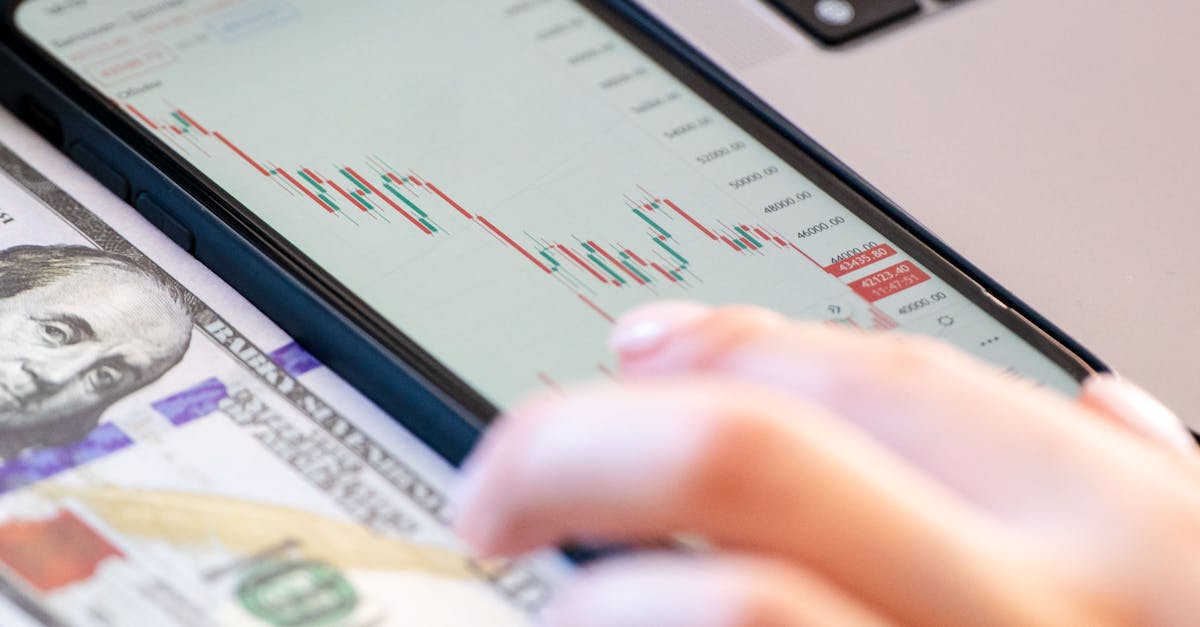
Global financial markets experienced a sharp downturn, with Wall Street recording its worst trading session since October, following President Donald Trump’s aggressive pursuit of annexing Greenland. The escalation of this geopolitical standoff has severely bruised the dollar and amplified fears of a damaging trade conflict between the United States and the European Union.
Market Turmoil and Risk Aversion
The market rout was characterized by a broad sell-off across major indices as investors fled risk assets. The downturn reflects deep anxiety over the perceived increase in geopolitical instability stemming from the White House’s continued pressure on Denmark regarding the autonomous territory. This risk aversion pushed benchmark indices sharply lower, signaling a significant loss of confidence among institutional investors regarding near-term stability.
The severity of the reaction underscores the market’s sensitivity to unpredictable foreign policy moves. Analysts noted that the administration’s doubling down on threats related to acquiring Greenland—a move widely rejected by Copenhagen—has introduced a level of political risk that fund managers are struggling to price effectively.
The Trade War Nexus
While the Greenland controversy provided the immediate catalyst for the sell-off, market experts suggest the deeper concern driving the global plunge is the renewed threat of a full-scale trade war with the European Union, America’s largest trading partner.
President Trump’s recent rhetoric has stoked fears that the administration is prepared to impose tariffs, potentially crippling transatlantic commerce. The market views the aggressive geopolitical stance over Greenland as symptomatic of a broader willingness by the White House to employ economic leverage and threats against key allies, thereby increasing the probability of a damaging trade dispute with the EU.
Dollar Bruised by Uncertainty
The US Dollar, which often functions as a safe-haven asset during periods of global stress, suffered notable losses against major currency pairs. The currency’s weakness reflects investor anxiety over the long-term economic consequences of the administration’s aggressive foreign policy stances.
The combination of the annexation push and the looming trade threat has created a climate of profound economic uncertainty, leading traders to question the stability of the US economy under prolonged international disputes. This uncertainty has translated directly into downward pressure on the dollar, further complicating the global financial outlook.

