


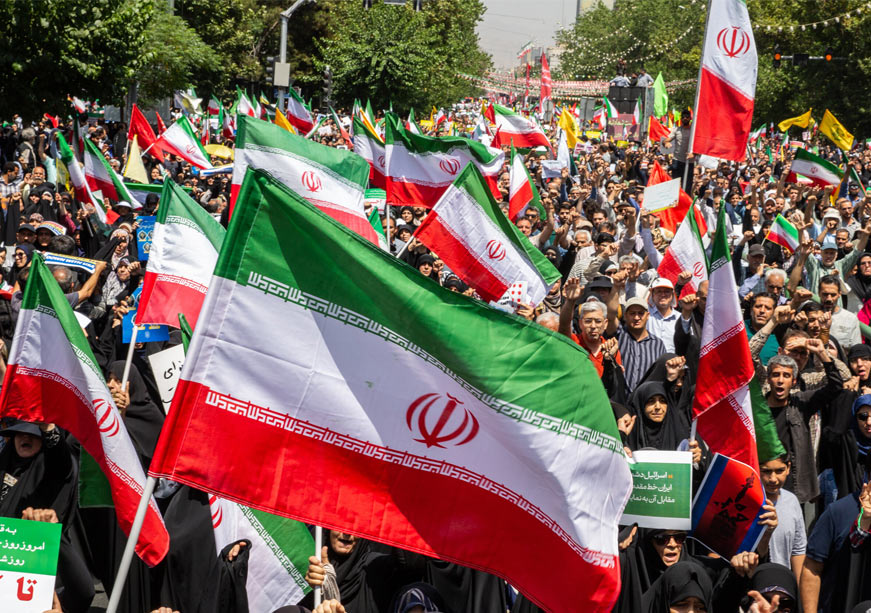
Iranians living outside their homeland are experiencing heightened anxiety as nationwide protests erupt, security forces respond with lethal force, and authorities impose a sweeping internet blackout. The turmoil has left diaspora communities worrying for the safety of relatives and friends still in Iran.
Widespread Concern Among the Diaspora
From London to Los Angeles, Iranian expatriates report sleepless nights and a pervasive sense of helplessness. “It feels like a bad dream that won’t end,” said Leila Hosseini, a Tehran‑born engineer now residing in Toronto. “Every call is cut off, every message delayed, and I have no idea what’s happening to my parents.” Similar sentiments echo across community forums, social‑media groups, and informal gatherings, where the lack of reliable information fuels speculation and dread.
Internet Shutdown Amplifies Panic
On the evening of 15 December, Iranian authorities ordered a nationwide suspension of mobile data and broadband services, effectively silencing real‑time reporting of the unrest. The blackout, which coincided with clashes in major cities such as Tehran, Isfahan and Mashhad, has prevented families abroad from confirming the whereabouts or condition of loved ones. Human‑rights monitors estimate that at least 200 people have been killed in the crackdown, though the exact toll remains unverified due to the communications freeze.
Impact on Daily Life and Mental Health
Psychologists working with Iranian diaspora groups warn that prolonged exposure to uncertainty can lead to chronic stress, depression, and trauma. “The combination of violent suppression and an information vacuum creates a perfect storm for anxiety,” explained Dr. Farhad Mirza, a clinical psychologist based in Berlin. “Many are resorting to prayer, community support networks, and, where possible, encrypted messaging apps to stay connected.”
Calls for International Attention
Human‑rights organizations and foreign governments have condemned the Iranian regime’s use of lethal force and the deliberate disruption of communications. A joint statement from Amnesty International and Human Rights Watch urged the United Nations to demand an immediate end to the internet shutdown and to facilitate safe channels for families to communicate.
Community Responses and Solidarity Actions
In response to the crisis, Iranian cultural centers and student associations have organized vigils, informational webinars, and fundraising drives to support families affected by arrests or injuries. In New York, a candlelight vigil outside the United Nations headquarters attracted over 300 participants, many holding signs that read “Freedom for Iran” and “We Stand With Our Families.”
Looking Ahead
As protests continue and the internet remains offline, the diaspora’s anxiety is unlikely to subside. Observers note that the Iranian government’s strategy of information control may backfire, prompting greater international scrutiny and solidarity movements abroad. For now, Iranians overseas remain locked in a state of vigilant waiting, hoping for news that their loved ones are safe and that the tide of repression will recede.

