


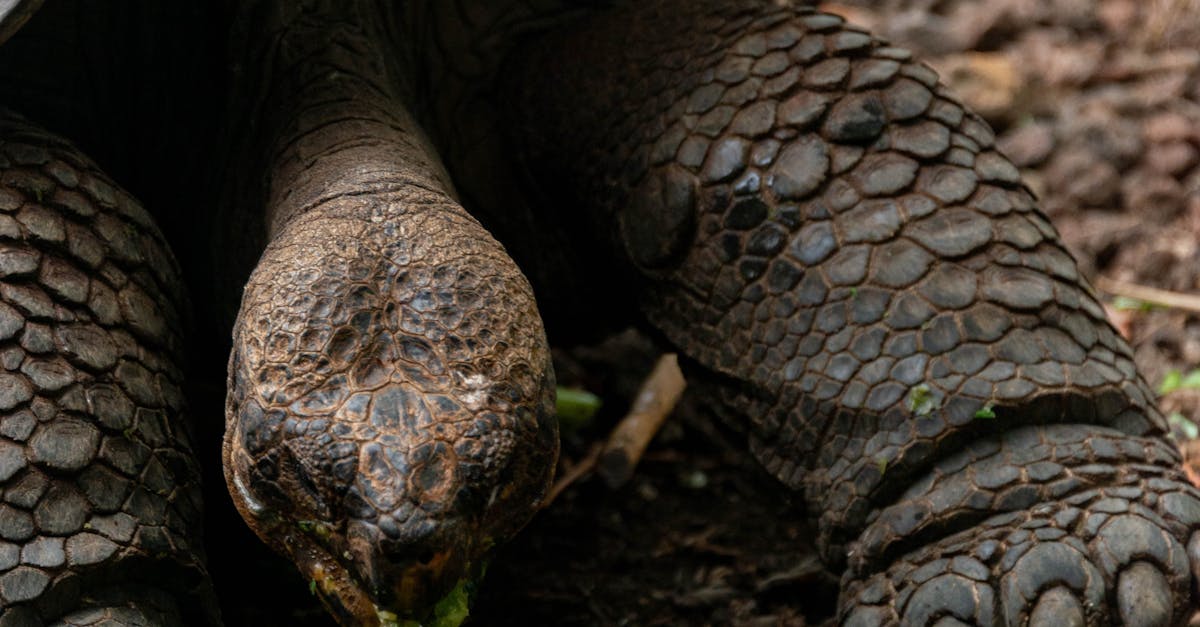
A significant milestone in conservation has been achieved in the Galápagos Islands with the reintroduction of giant tortoises to Floreana Island, marking their return after an absence of nearly 200 years. One hundred and fifty-eight captive-bred juvenile tortoises were released onto the island, a crucial step in restoring the island’s unique ecosystem.
A Historic Return
The release signifies the culmination of years of dedicated breeding and conservation efforts aimed at re-establishing the Floreana tortoise population. These young tortoises, carefully nurtured in captivity, now face the challenge of adapting to their ancestral home. Their return is expected to play a vital role in Floreana’s ecological balance, particularly in seed dispersal and vegetation management.
Restoring an Ecosystem
Floreana Island, once home to a distinct species of giant tortoise, saw its native population decimated by historical whaling activities and the introduction of invasive species. The absence of these large herbivores had a profound impact on the island’s flora. Conservationists are hopeful that the reintroduced tortoises will help to reverse these changes and foster a more resilient environment.
Future Prospects
The project, a collaborative effort involving the Galápagos National Park Directorate and the Charles Darwin Foundation, will closely monitor the progress of the juvenile tortoises. This reintroduction is part of a broader strategy to restore the ecological integrity of the Galápagos archipelago, a UNESCO World Heritage site renowned for its biodiversity.

