


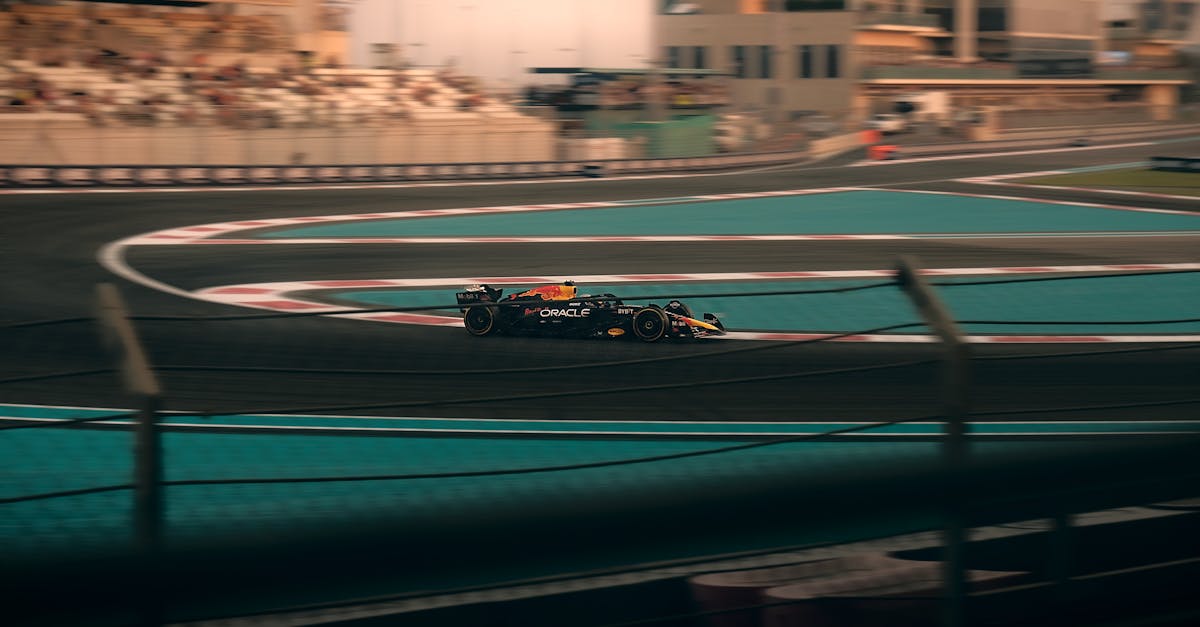
The future of motorsport officially arrived at the Bahrain International Circuit today as the 2026 generation of Formula 1 cars took to the track for the first time. Under the shimmering desert sun, fans and pundits alike were treated to a definitive look at the radical design overhaul intended to redefine the pinnacle of racing for the coming decade.
A Revolutionary Design Philosophy
The 2026 challengers represent one of the most significant technical shifts in the sport’s history. Characterized by a “nimble car” concept, the new models appear visibly more compact than their predecessors. With a reduced wheelbase and narrower width, the cars have been engineered to improve maneuverability and facilitate closer wheel-to-wheel racing, directly addressing long-standing concerns regarding the difficulty of overtaking on modern circuits.
Active Aerodynamics and Technical Innovation
On-track observers were quick to note the striking implementation of active aerodynamics, a cornerstone of the new regulatory framework. The front and rear wings were seen adjusting dynamically during high-speed runs, a feature designed to balance high downforce in corners with minimal drag on the straights. This technological leap, which replaces the traditional DRS system with a more integrated aerodynamic strategy, marks a bold departure from the previous era of ground-effect dominance.
Sustainable Power and Performance
Beyond the visual spectacle, the sessions in Sakhir provided a first preview of the revamped power units. The 2026 engines feature a significantly increased electrical component, aiming for a near 50/50 split between internal combustion and electric power. While the opening day focused primarily on installation laps and rigorous systems checks, the sheer presence of the new grid signals a definitive transition toward a more sustainable and technologically advanced future for Formula 1. As testing continues, the paddock remains abuzz with anticipation over which teams have best mastered this complex new formula.

