


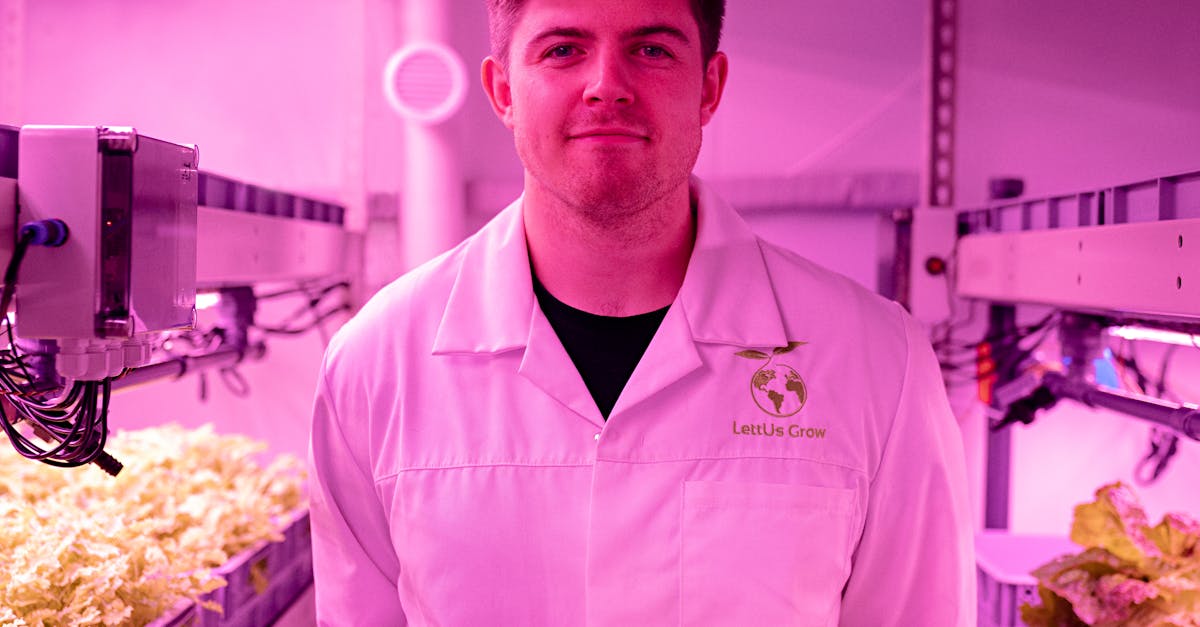
Farmers across North America are increasingly turning to a suite of digital tools and precision‑ag technologies that promise higher yields, lower input costs and more resilient food supplies. A 2024 McKinsey survey reveals that 57 % of respondents intend to adopt new yield‑boosting technologies within the next two years, underscoring a rapid acceleration in the sector’s digital adoption.
From Early Adoption to Mainstream Practice
While headlines often portray “tech‑dense” farms as a futuristic vision, the reality is that precision agriculture has been evolving for decades. Early adopters have long relied on satellite‑guided equipment, variable‑rate applicators and data‑driven decision platforms. Today, the market offers a broader, more integrated ecosystem that includes advanced sensors, autonomous machinery and AI‑powered analytics.
Specialist Systems Leading the Way
Companies such as Trimble and AGCO have refined niche solutions that exemplify the shift toward higher‑density technology on the field. Trimble’s WeedSeeker, for instance, uses computer‑vision and machine‑learning algorithms to identify and spray weeds with pinpoint accuracy, dramatically reducing herbicide usage. AGCO’s suite of precision‑planting and harvesting tools integrates real‑time telemetry with farm‑management software, enabling growers to fine‑tune inputs down to the individual row.
Benefits Beyond Yield
When farms become more “tech dense,” the advantages extend well beyond raw production numbers. Sensors that monitor soil moisture, nutrient levels and micro‑climate conditions help farmers apply water and fertilizer only where needed, cutting waste and lowering environmental footprints. Predictive analytics improve risk management by forecasting pest outbreaks, disease pressure and weather‑related disruptions, allowing proactive interventions that safeguard harvests.
Economic Implications
Higher efficiency translates into cost savings that can be passed on to consumers, potentially easing food‑price inflation. Moreover, the data generated by connected equipment creates new revenue streams, from agronomic consulting services to carbon‑credit markets, further diversifying farm income.
Challenges and Outlook
Despite the clear upside, widespread adoption faces hurdles: capital investment requirements, data‑ownership concerns and the need for robust broadband infrastructure in rural areas. Policy incentives, cooperative purchasing models and farmer education programs will be critical to overcoming these barriers.
In sum, the march toward tech‑dense agriculture is less a speculative future and more an accelerating present. As precision tools become standard fixtures on the modern farm, they are reshaping how food is produced, priced and protected for a growing global population.

