


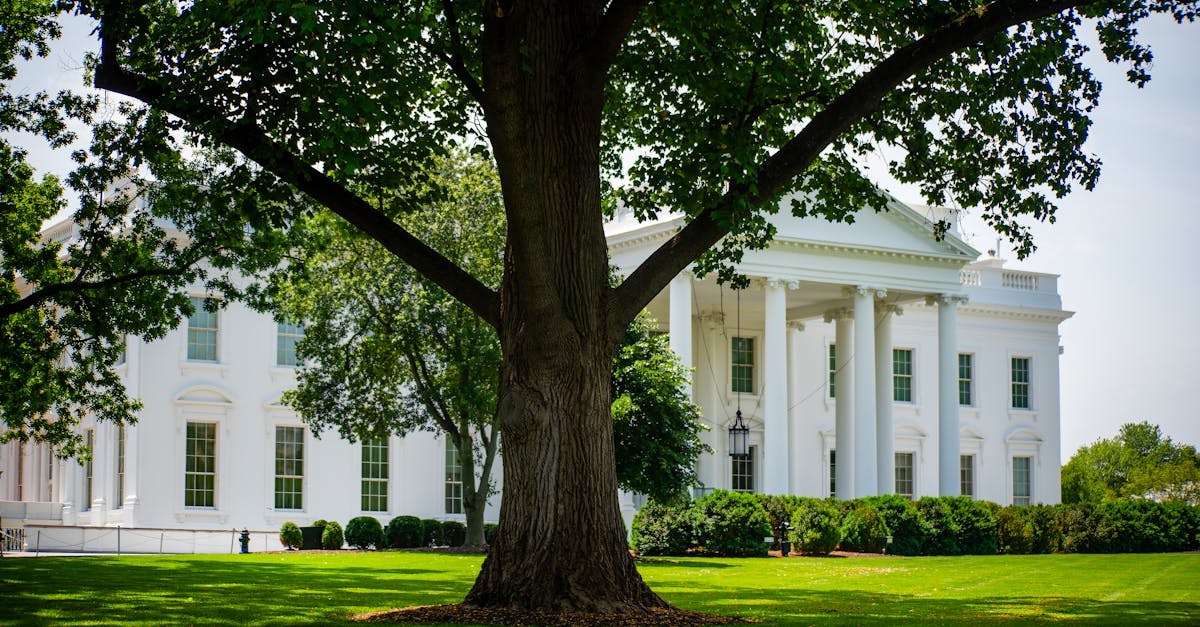
President Donald Trump’s use of presidential clemency has drawn sharp criticism, with opponents alleging a growing trend towards a transactional approach where pardons and commutations are granted in exchange for political or financial considerations. This departure from traditional norms has raised significant questions about the integrity of the pardon power and its potential for abuse.
Shifting Norms of Presidential Clemency
Historically, presidential clemency has been a tool for correcting injustices, showing mercy, or aiding in national reconciliation. However, under the Trump administration, the process has been characterized by a departure from established protocols and a perceived openness to influence from outside parties, including lobbyists and individuals with close ties to the President. This has led to concerns that clemency decisions may be driven by personal loyalty or financial gain rather than a fair assessment of merit.
Allegations of “Pardons for a Price”
Critics point to several high-profile cases where individuals with significant financial or political connections to President Trump have received clemency. These instances have fueled accusations that the pardon power is being leveraged for personal benefit or to reward allies. The lack of transparency surrounding many of these decisions has further amplified these concerns, making it difficult to ascertain the true motivations behind the grants of clemency.
Impact on the Justice System and Public Trust
The perceived transactional nature of President Trump’s clemency decisions has cast a shadow over the justice system. Concerns are mounting that such practices could undermine public faith in the fairness and impartiality of legal proceedings. The ability of individuals to potentially circumvent the outcomes of judicial processes through personal connections or financial means raises fundamental questions about equal justice under the law.
Calls for Reform and Greater Scrutiny
In response to these concerns, there are growing calls for greater transparency and accountability in the clemency process. Advocates for reform suggest implementing stricter guidelines, requiring more detailed justifications for pardons and commutations, and enhancing oversight to prevent potential abuses. The ongoing debate highlights the critical need to safeguard the integrity of the presidential pardon power for the future.

