


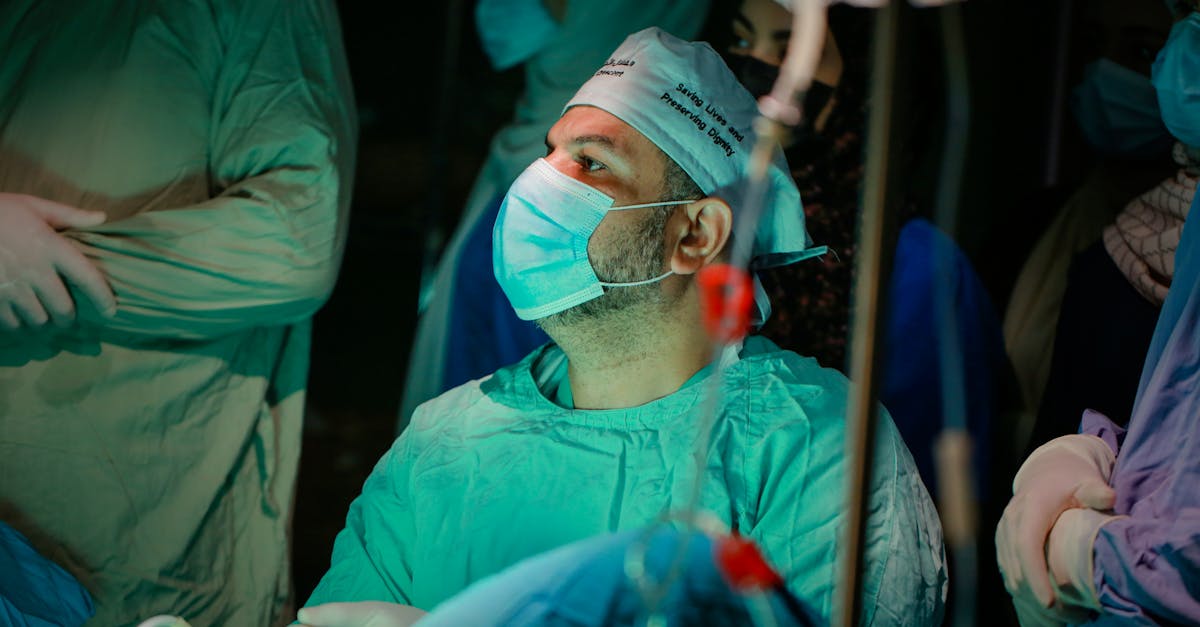
Two Palestinians have been killed in Gaza, an event that casts a stark light on the deepening humanitarian crisis in the besieged enclave, where thousands are reportedly being prevented from accessing critical medical care outside the territory via the Rafah crossing. The United Nations has underscored the severity of the restrictions, noting that a mere 260 individuals have been permitted to seek medical treatment in Egypt through the vital gateway, despite overwhelming need.
Escalating Humanitarian Crisis
The latest fatalities coincide with an increasingly dire situation for Gaza’s 2.3 million residents, many of whom rely on external medical facilities for life-saving treatments unavailable within the Strip. The Rafah crossing, Gaza’s sole connection to Egypt, serves as a crucial artery for humanitarian aid and, critically, for medical evacuations. However, stringent controls have severely hampered its function, leaving an estimated thousands of patients in limbo, their conditions often deteriorating rapidly.
Hospitals within Gaza are already struggling under immense pressure, exacerbated by chronic shortages of essential medicines, equipment, and specialist personnel. The inability to transfer critically ill patients, including those requiring complex surgeries, cancer treatment, or advanced diagnostics, places an unbearable burden on a healthcare system teetering on the brink of collapse. Humanitarian organizations have repeatedly warned that these restrictions amount to a collective punishment, endangering countless lives and violating international humanitarian law.
UN Highlights Dire Restrictions
The United Nations has voiced grave concern over the ongoing blockade, highlighting the stark contrast between the immense demand for medical exits and the minimal number of approvals. According to UN figures, the allowance of just 260 individuals to cross into Egypt for medical care represents a fraction of the thousands who have applied, underscoring a systemic impediment to fundamental healthcare access. These figures paint a grim picture of a population trapped, with their most basic right to health severely compromised.
International bodies and human rights advocates continue to call for an immediate and unconditional opening of the Rafah crossing for medical patients. They emphasize the urgent need for all parties to facilitate the safe and unimpeded passage of those requiring urgent medical attention, stressing that humanitarian considerations must always take precedence amidst the complex political and security landscape of the region.

