


One year into the renewed political campaign of former President Donald Trump, who has placed economic revitalization at the core of his bid for a second term, the assessment from American voters regarding the nation’s financial health remains decidedly mixed. While the promise of robust prosperity is a central pillar of his platform, everyday citizens report significant friction points, most notably persistent inflationary pressures and difficulties within the labor market.
The Centrality of Economic Pledges
Improving the US economy has consistently been the primary focus of Donald Trump’s political messaging. His campaign strategy relies heavily on contrasting his previous administration’s performance with current economic conditions, promising a rapid return to lower inflation, higher growth, and increased employment opportunities should he return to the White House. This focus is designed to resonate with voters grappling with the lingering effects of post-pandemic economic volatility.
The Mixed Verdict from Main Street
A recent assessment, based on interviews with a cross-section of American voters, reveals that enthusiasm for Trump’s economic agenda is tempered by immediate, tangible financial concerns. While some voters acknowledge areas of stability or improvement, the prevailing sentiment is one of cautious skepticism, driven primarily by two critical factors: the cost of living and hiring difficulties.
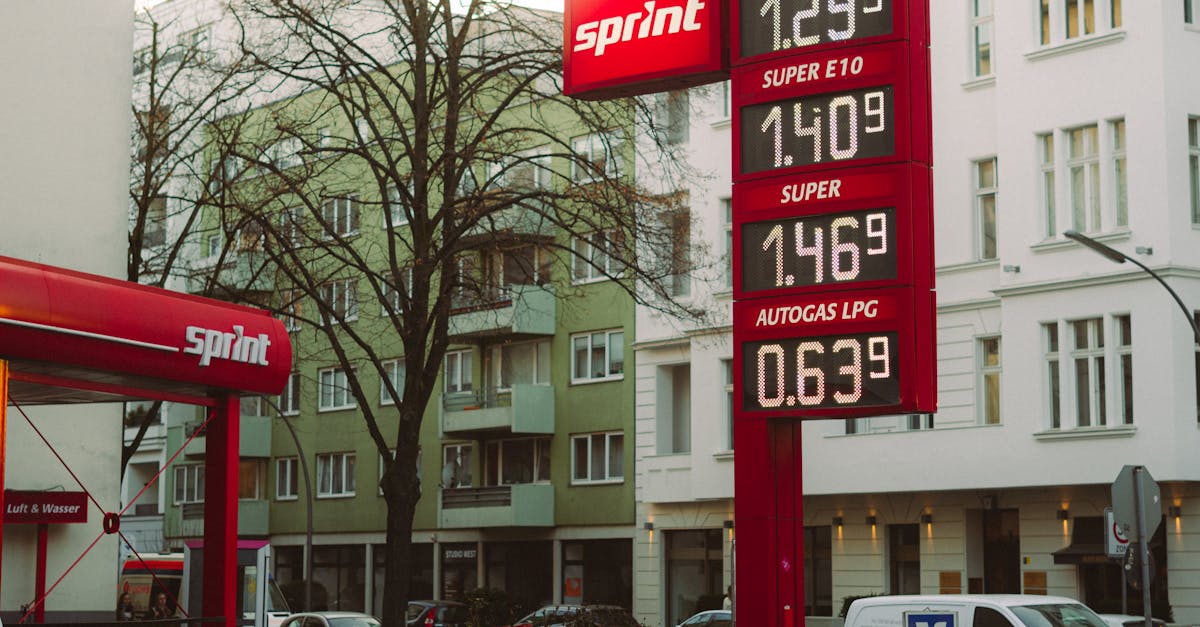
The issue of inflation dominates household concerns. Voters frequently describe current commodity and consumer prices as “super high,” indicating that the erosion of purchasing power remains a major obstacle to feeling economically secure. Despite official reports suggesting a moderation in inflation rates, the accumulated cost increases over recent years continue to strain household budgets, overshadowing any perceived gains in employment or wage growth.
Navigating Labor Market Friction
Compounding the inflation issue are persistent “hiring woes” reported by voters, reflecting complex dynamics within the labor market. This friction manifests in various ways, including difficulties for businesses in finding suitable workers and, conversely, frustration among job seekers regarding wage stagnation relative to the cost of living. For many, the labor market remains unbalanced, failing to deliver the widespread financial relief expected from a strong economy.
The findings underscore a critical challenge for the former President: translating broad economic promises into immediate, felt improvements for the average American. As the campaign progresses, the success of his economic message will hinge not just on national statistics, but on his ability to address the specific, high-visibility pain points—namely, the high cost of goods and the perceived instability of the job market—that are currently driving the public’s mixed assessment.

