


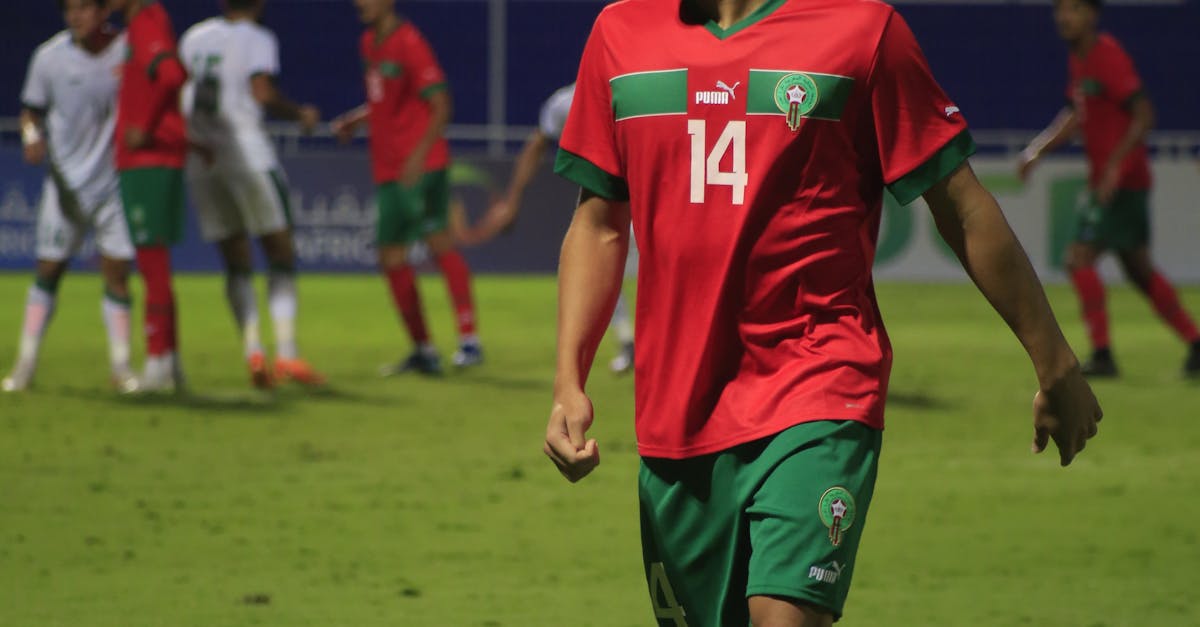
The modern football calendar is often described as a war of attrition, and nowhere is this more evident than in the recent selection trends of the FA Cup. A staggering 183 team changes across just 14 ties have sparked a renewed debate over whether the world’s oldest knockout competition is being systematically devalued by the elite. Yet, beneath the surface of these statistical shifts lies a more nuanced reality: a tournament that, despite the pragmatism of managers, refuses to relinquish its storied “magic.”
The Numbers Game
The sheer volume of rotation—averaging over 13 changes per fixture—suggests a competition that has slipped down the priority list for Premier League and Championship managers alike. With the financial stakes of top-flight survival and European qualification reaching unprecedented heights, the FA Cup is increasingly viewed as an opportunity to rest weary stars and blood emerging talent. To the traditionalist, this wholesale shuffling of the deck feels like a dilution of the cup’s prestige, transforming historic encounters into glorified training exercises.
Pragmatism vs. Prestige
However, the argument that rotation equals disrespect is increasingly viewed as an outdated sentiment. In the contemporary era, “squad depth” is the currency of success. Managers argue that utilizing their full rosters is a necessity of the modern schedule rather than a slight against the competition. Furthermore, these changes often provide the stage for the tournament’s most compelling narratives—allowing fringe players and academy prospects to etch their names into club folklore.
The Resilience of the ‘Magic’
Chief football writer Phil McNulty maintains that the essence of the FA Cup remains untarnished by the names on the team sheet. The “magic” of the competition has never resided in the predictability of a starting XI, but in the inherent drama of the knockout format. Whether it is a non-league side defying the odds or a late winner under the floodlights, the emotional resonance of the tournament continues to captivate global audiences. The atmosphere in the stands and the high-stakes tension on the pitch suggest that for the fans, the result remains far more significant than the rotation that preceded it.
A Tournament in Transition
Ultimately, the FA Cup is a competition in transition, reflecting the broader evolution of the sport. While 183 changes may look like a retreat from tradition on paper, the tournament’s ability to produce indelible moments of sporting theater remains its greatest defense. As long as the underdog can dream and the giants can fall, the FA Cup will retain its unique position in the footballing pantheon, regardless of how many changes are made before kick-off.

