


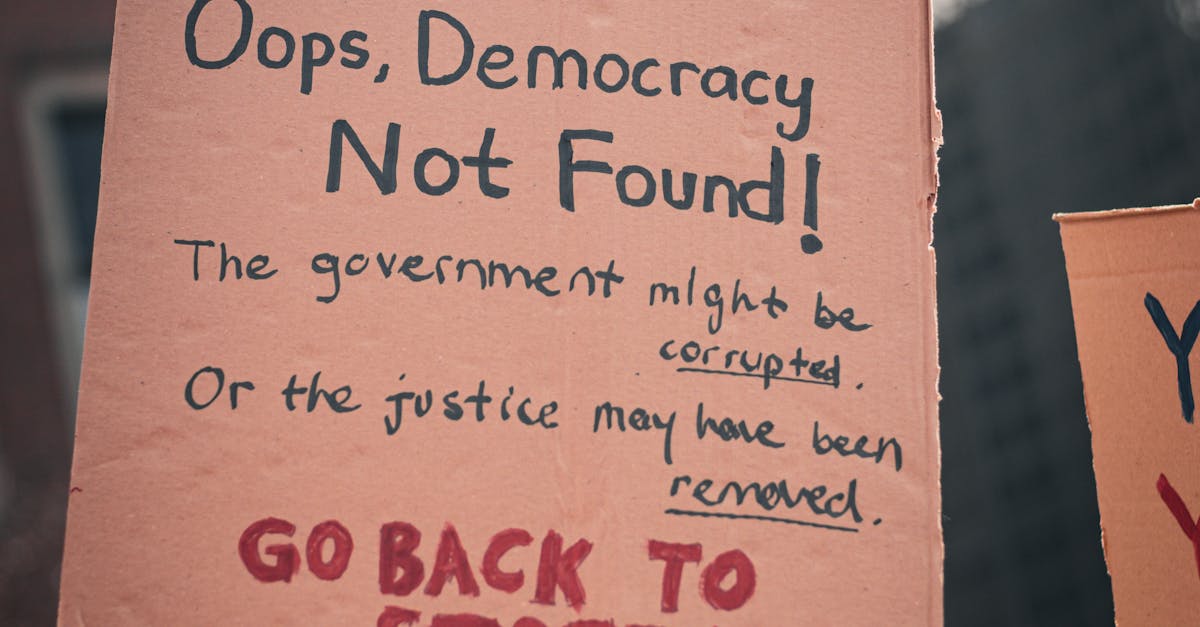
Lyse Doucet, the BBC’s Chief International Correspondent, has reported from Tehran, offering a rare on-the-ground perspective as Iran grapples with the aftermath of widespread anti-government demonstrations. This marks Doucet’s first visit to the country since the significant crackdown on the protests that shook the nation.
Navigating a Shifting Landscape
Doucet’s reporting highlights a complex and evolving situation within Iran. While the intense public demonstrations have largely subsided, the government’s response appears to be shifting from overt security measures to a more nuanced, political strategy. This “political reply,” as described by Doucet, suggests an effort to regain control and shape the narrative following a period of significant unrest.
A Glimpse Behind the Scenes
Her presence in the capital allows for an intimate look at the atmosphere and the subtle indications of the government’s efforts to reassert its authority. The BBC’s access, even in a controlled environment, provides valuable insights into how the Iranian authorities are attempting to manage the fallout from the protests and project an image of stability to both domestic and international audiences.
The Lingering Impact of Dissent
Despite the visible efforts to move past the period of widespread dissent, the underlying tensions and the memory of the protests remain palpable. Doucet’s dispatches are expected to shed light on the enduring impact of the demonstrations and the ongoing challenges faced by the Iranian government in addressing the grievances that fueled them.

